
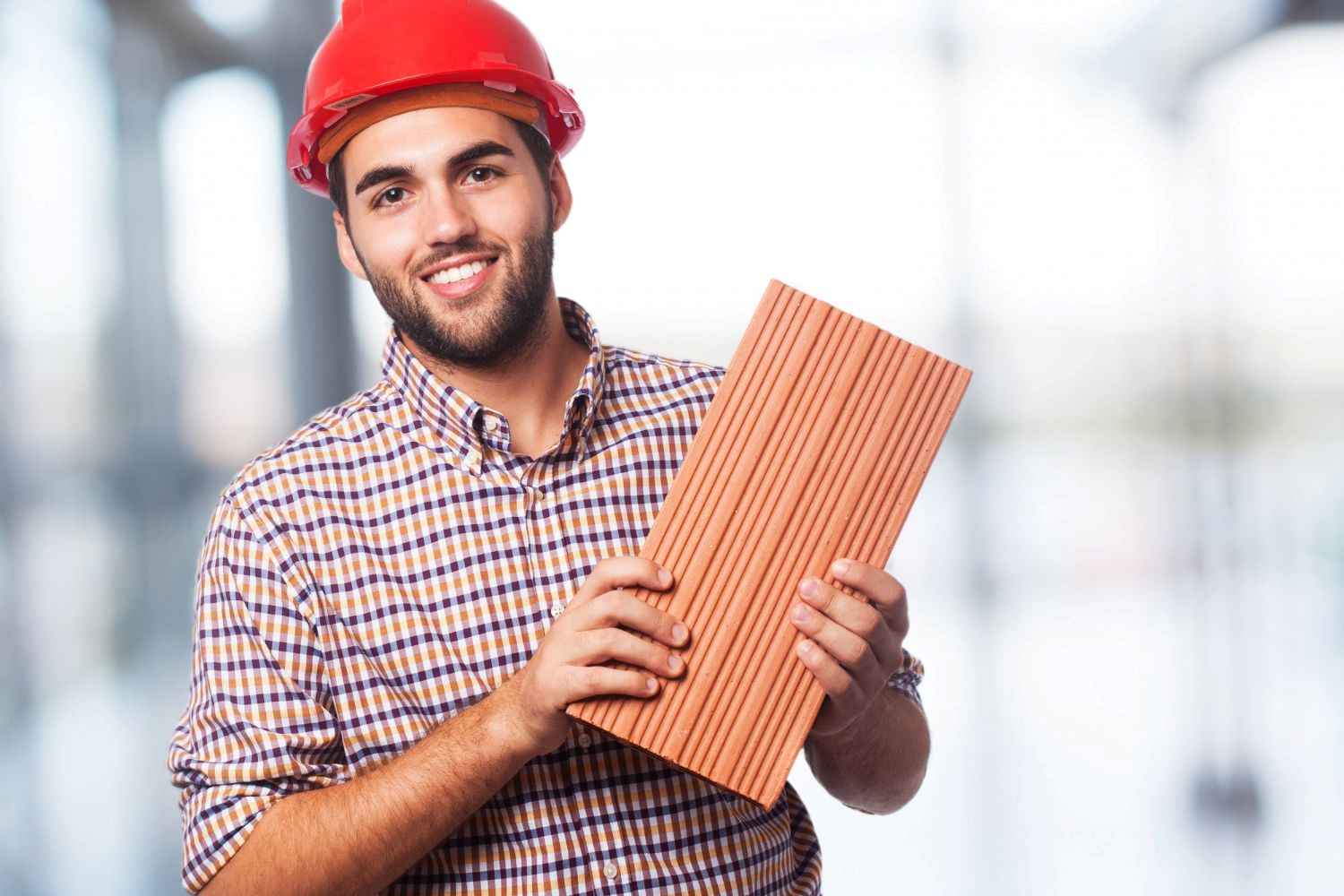
Across the United States you can spot a quiet shift on almost every job site. From neighborhood remodels to new office buildings, more contractors and property owners are asking how to build in ways that protect both budgets and the environment. Eco friendly building materials are at the center of that conversation, guiding how projects are planned, insured, and completed.
1. Why do eco-friendly materials matter in everyday projects?
When people hear “green construction,” they sometimes picture high tech showpieces in big cities. In reality, eco-friendly choices now show up in everyday American projects, from a small roofing repair in Ohio to a new medical office in Arizona. Materials that reduce waste, limit pollution, and use less energy help protect local communities from harsh weather, water strain, and rising utility costs. Over time, these choices also support stronger property values because buyers and tenants increasingly look for efficient, healthy spaces.
2. How recycled and reclaimed products change the job site
Recycled steel, reclaimed wood, and reused brick are no longer rare niche products. Across the U.S., contractors use these materials to cut landfill waste and give older resources a second life. For example, a civil contractor rebuilding a municipal walkway may choose recycled concrete aggregate instead of fresh gravel. A warehouse conversion in Texas might feature reclaimed beams from a retired factory. These options can be just as strong and reliable as new materials when sourced carefully and supported by clear project specs and insurance documentation.
3. The growing role of energy efficient building systems
Eco friendly construction is not only about what you can touch. It also includes how a building uses power, water, and air. Insulated concrete forms, better wall assemblies, and cool roofing materials help structures stay comfortable with less strain on heating and cooling systems. In places like Florida or California, reflective roofing and smart insulation can significantly ease demand on air conditioning. For civil projects such as transit centers or public schools, these systems provide long term comfort for the people who use the space every day.
4. Safer indoor spaces with low impact finishes
Many building owners now ask about paints, sealants, and flooring that release fewer chemicals into the air. Contractors respond by choosing finishes labeled low VOC or no VOC, along with natural materials like linoleum and certain hardwoods from responsibly managed forests. In a renovated office in Chicago or a health clinic in North Carolina, these choices can support better indoor air quality. When paired with sound ventilation and honest communication with tenants, they help create spaces that feel cleaner and more welcoming.
5. Planning, protection, and practical risk management
As eco-friendly materials become standard, project planning grows more complex. Timelines may depend on specialized suppliers, new installation methods, or local green building codes. Civil contractors and property owners work closely with insurance partners to make sure coverage reflects modern risks, from material delivery delays to unique site conditions. Clear contracts, accurate cost tracking, and regular communication help keep projects on track while protecting everyone involved.
Eco friendly building materials are less about trends and more about respect for the communities where we live and work. As they become a normal part of American construction, they quietly shape safer streets, steadier projects, and spaces that can serve people for years to come.