
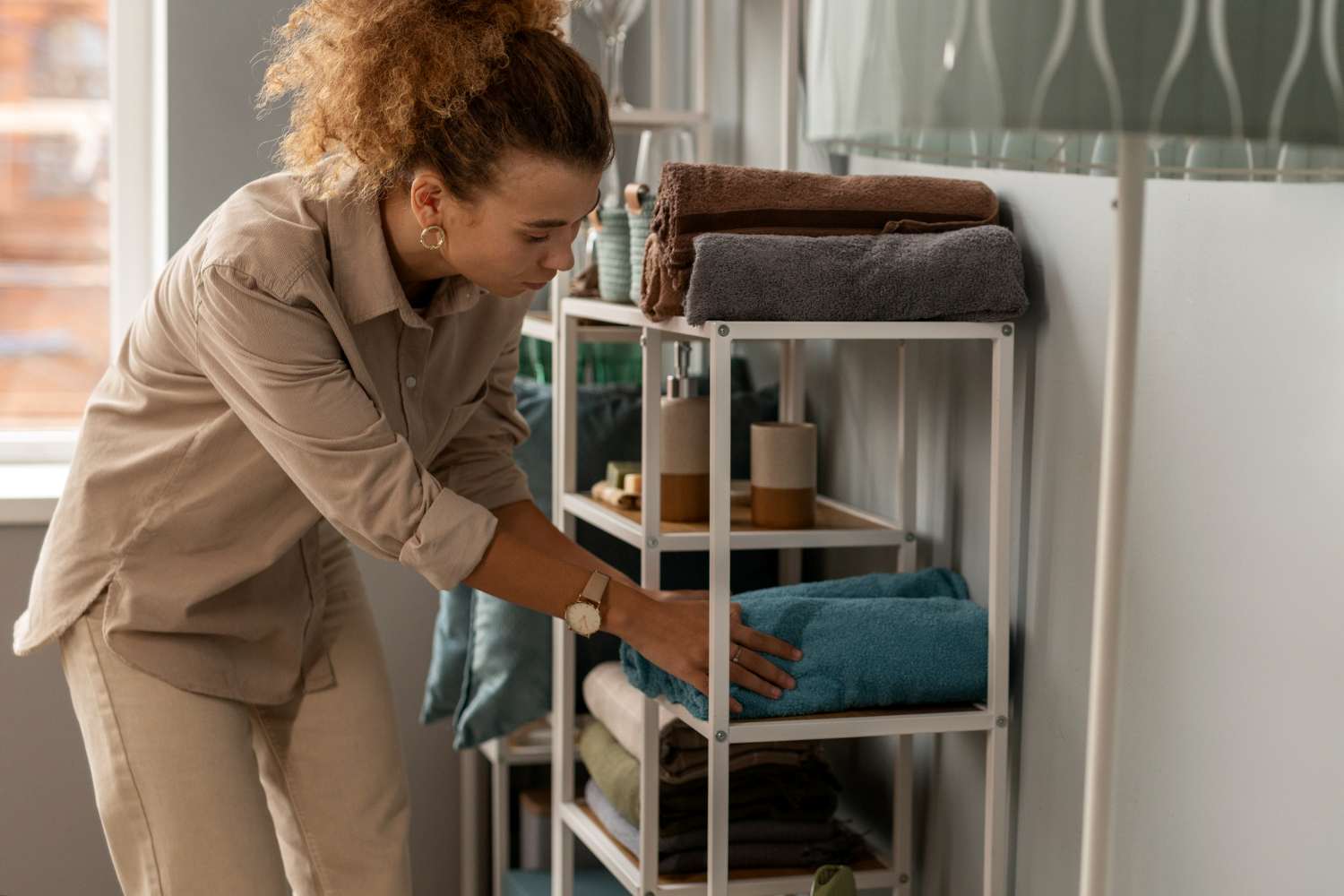
Between shoes, jackets, backpacks, sports equipment and grocery bags, keeping your home organized can be a daily challenge. A mudroom provides a dedicated space to manage these everyday essentials before they spread throughout the house. Whether you are building a new home or renovating an existing one, thoughtful planning can turn this often-overlooked area into a practical space that makes family life easier.
1. Plan a Layout That Fits Your Family
Start by considering how your family enters and leaves the house each day. A mudroom near the garage, back door or main entrance can make it easier to store belongings as soon as you arrive. Ensure there is enough room to move comfortably, remove shoes and access storage without creating congestion, especially during busy mornings.
2. Create Smart Storage for Everyday Essentials
A functional mudroom needs a place for everything your family regularly carries. Built-in cabinets, open shelves, wall hooks and individual cubbies can keep coats, bags, shoes and sports gear organized. If you have children, assigning each family member a designated storage area can make daily routines simpler and encourage everyone to put belongings away.
3. Choose Durable, Easy-to-Clean Materials
Mudrooms often deal with wet shoes, dirt, spills and heavy foot traffic. Durable flooring materials such as porcelain tile or other moisture-resistant options can make cleaning easier, while washable wall finishes and sturdy cabinetry help the space withstand everyday use. Selecting suitable materials during construction can reduce maintenance needs and help the room remain functional for years.
4. Include a Comfortable Place to Sit
A bench can make putting on and removing shoes much easier, particularly for children and older family members. Consider a built-in bench with storage underneath to keep footwear organized without using additional floor space. Positioning the bench near hooks or cubbies creates a convenient spot where family members can manage their belongings in one place.
5. Make Room for Changing Seasons
Your family's storage needs may change throughout the year. Winter coats, boots and umbrellas require different arrangements from summer footwear, sports equipment and outdoor accessories. Adjustable shelves, flexible cabinets and a designated area for seasonal items can help your mudroom adapt without becoming overcrowded.
6. Plan Lighting and Ventilation Carefully
Good lighting helps family members find their belongings and keeps the space practical during early mornings and evenings. Proper ventilation can also help manage moisture from wet clothing and footwear. During construction or renovation, consider the placement of light fixtures, electrical outlets and ventilation features to create a comfortable and functional environment.
A well-designed mudroom combines smart storage, durable materials and a layout that suits your family's routines. With careful planning and professional construction, you can create an organized entry space that reduces clutter, simplifies daily tasks and helps keep the rest of your home cleaner.