
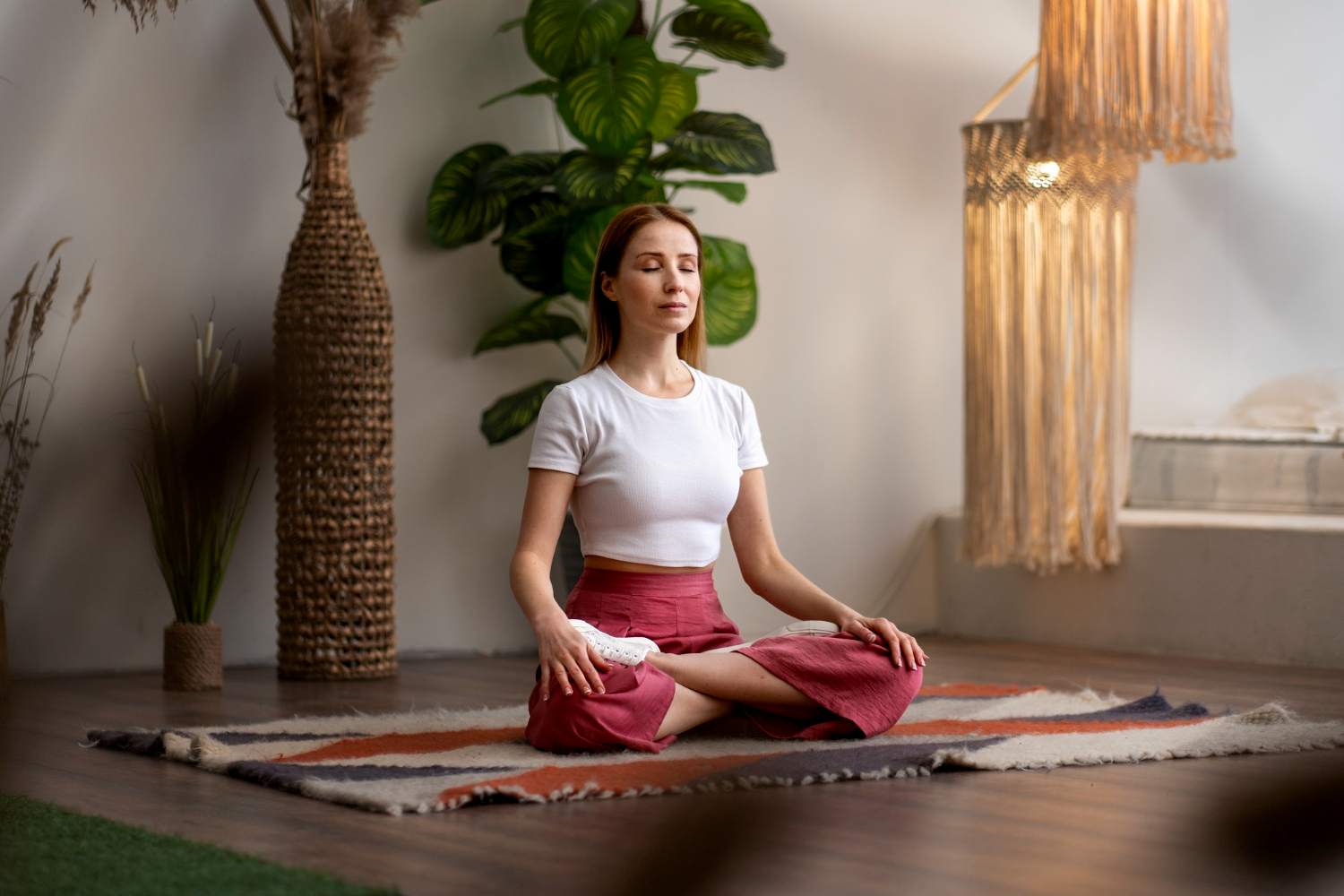
A peaceful home environment can make a big difference in how we feel after a busy day. A meditation room provides a dedicated space to slow down, reflect and create moments of calm. Whether you have a large area or a small corner, thoughtful design choices can help create a space that feels comfortable, balanced and connected to your lifestyle.
1. Choose the right location for your meditation space
The location of your meditation room can influence how often you use it. A quiet corner away from heavy foot traffic, noise and distractions can help create a more peaceful atmosphere. Consider spaces with natural light, good ventilation and a comfortable environment where you can spend a few minutes relaxing each day.
2. Focus on natural light and ventilation
Light and airflow play an important role in creating a calming space. Large windows, soft curtains and proper ventilation can make the room feel open and refreshing. Natural elements such as sunlight and fresh air can enhance the overall experience while reducing the need for artificial lighting during the day.
3. Select calming colors and materials
The materials and colors used in a meditation room can influence the mood of the space. Soft, neutral shades, natural textures and simple finishes can create a more relaxed atmosphere. Materials such as wood, stone or natural fabrics can add warmth and help the room feel connected to nature.
4. Keep the design simple and clutter-free
A meditation space should encourage calm rather than create distractions. Avoid overcrowding the room with unnecessary furniture or decorations. A comfortable seating area, soft lighting and a few meaningful elements are often enough to create a peaceful environment.
5. Consider sound and privacy
Noise can make it difficult to relax, especially in busy homes or urban areas. During planning or construction, consider features such as better insulation, solid doors or strategic room placement to reduce outside disturbances. A quieter environment can make the space more comfortable for meditation and relaxation.
6. Plan the space with expert guidance
Creating a dedicated meditation room involves more than selecting furniture and décor. Construction choices such as flooring, lighting, ventilation and room layout can influence how the space feels. Working with experienced civil contractors can help ensure the room is designed with both comfort and functionality in mind.
A meditation room does not need to be large or expensive to feel calming. With thoughtful planning, natural elements and a design focused on comfort, you can create a space that supports relaxation and mindfulness. A well-designed room can become a peaceful part of your home where you reconnect with yourself every day.