A small drip under the sink or a slow drain may seem like a minor inconvenience, but many major plumbing issues begin with small warning signs. Water damage, pipe failures and hidden leaks can lead to expensive repairs if they are ignored for too long. The good news is that regular attention and simple maintenance habits can help homeowners protect their property and avoid many unexpected plumbing problems.
1. Pay attention to small warning signs
Plumbing issues rarely appear without clues. A dripping faucet, unusual water sounds, slow drainage or damp spots on walls and ceilings may indicate a problem that needs attention. Addressing these signs early can prevent them from becoming larger repairs. A small leak fixed today is often much easier and less expensive than dealing with water damage later.
2. Protect your drains from blockages
Clogged drains are one of the most common plumbing problems in homes. Avoid putting grease, coffee grounds, food scraps or other materials that can build up in pipes down the drain.
Using drain covers in sinks and showers can help catch debris before it enters the plumbing system. Regular cleaning also keeps water flowing properly and reduces the chance of stubborn blockages.
3. Check for hidden leaks
Some leaks are easy to spot, but others can remain hidden for months. A sudden increase in your water bill, musty smells, damp cabinets or water stains may signal a leak behind walls or under floors.
Periodically checking exposed pipes under sinks, around water heaters and near appliances can help identify issues early. If something seems unusual, contacting a plumbing professional can prevent further damage.
4. Maintain water heaters and appliances
Water heaters, washing machines, dishwashers and other water-connected appliances need regular attention. Sediment buildup, worn connections and aging components can affect performance and create the risk of leaks.
Following manufacturer recommendations and scheduling routine inspections can help these systems operate efficiently and extend their lifespan.
5. Be mindful of seasonal changes
Weather changes can affect plumbing systems. Cold temperatures can increase the risk of frozen or damaged pipes, while heavy rain can put pressure on drainage systems.
Preparing your home before seasonal changes, such as insulating exposed pipes or checking outdoor plumbing connections, can help reduce weather-related problems.
6. Know when to call a professional
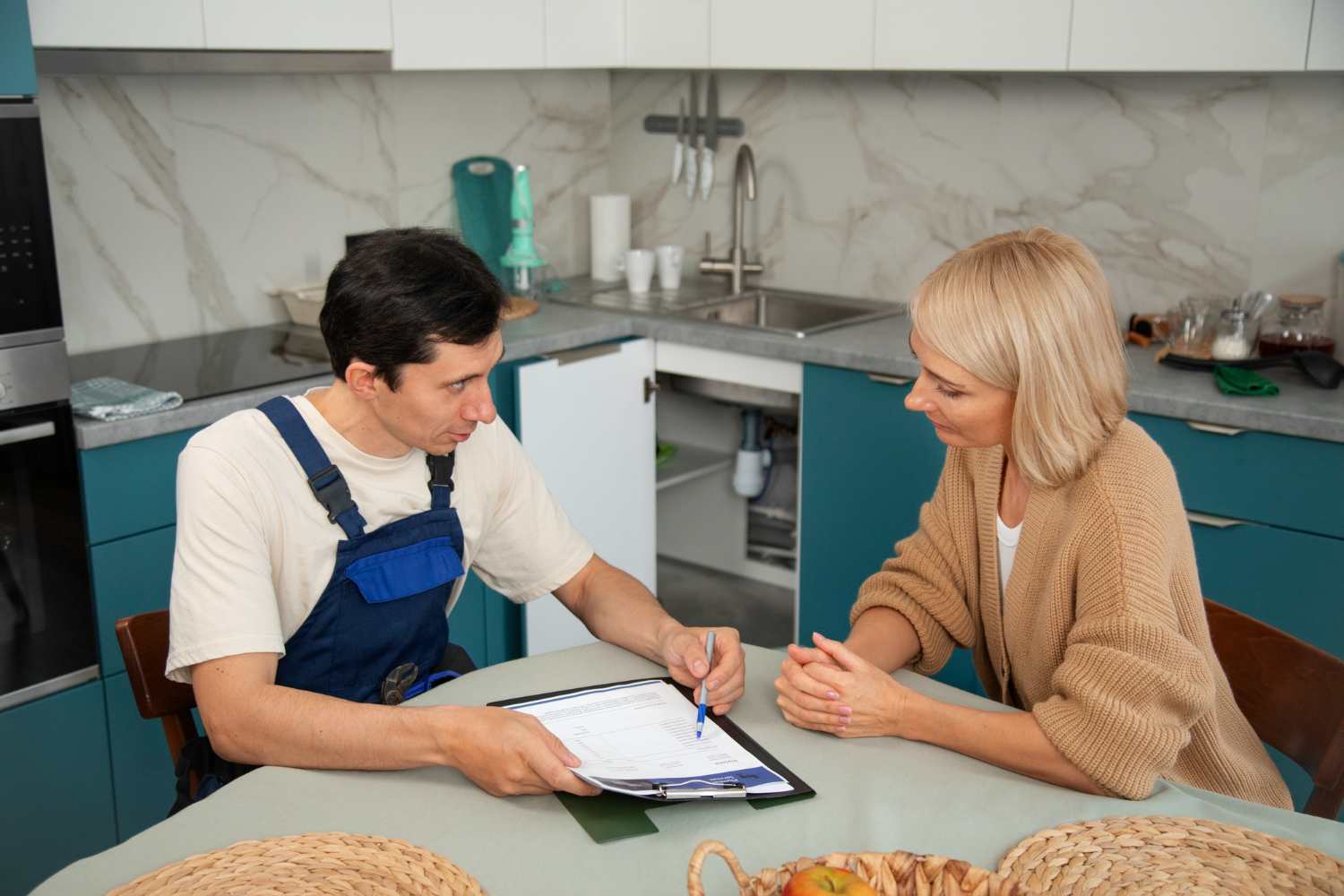
Some plumbing tasks can be handled with basic maintenance, but major repairs often require professional expertise. Attempting complex fixes without the right knowledge can sometimes create additional damage.
A qualified plumber can identify the root cause of a problem, recommend the right solution and help prevent recurring issues.
Preventing plumbing problems is about creating small habits that protect your home over time. Regular checks, responsible use of fixtures and timely repairs can help avoid costly damage and keep your plumbing system working efficiently.
Your home is one of your biggest investments. Taking care of the systems behind the walls is an important part of protecting its comfort, value and long-term condition.