
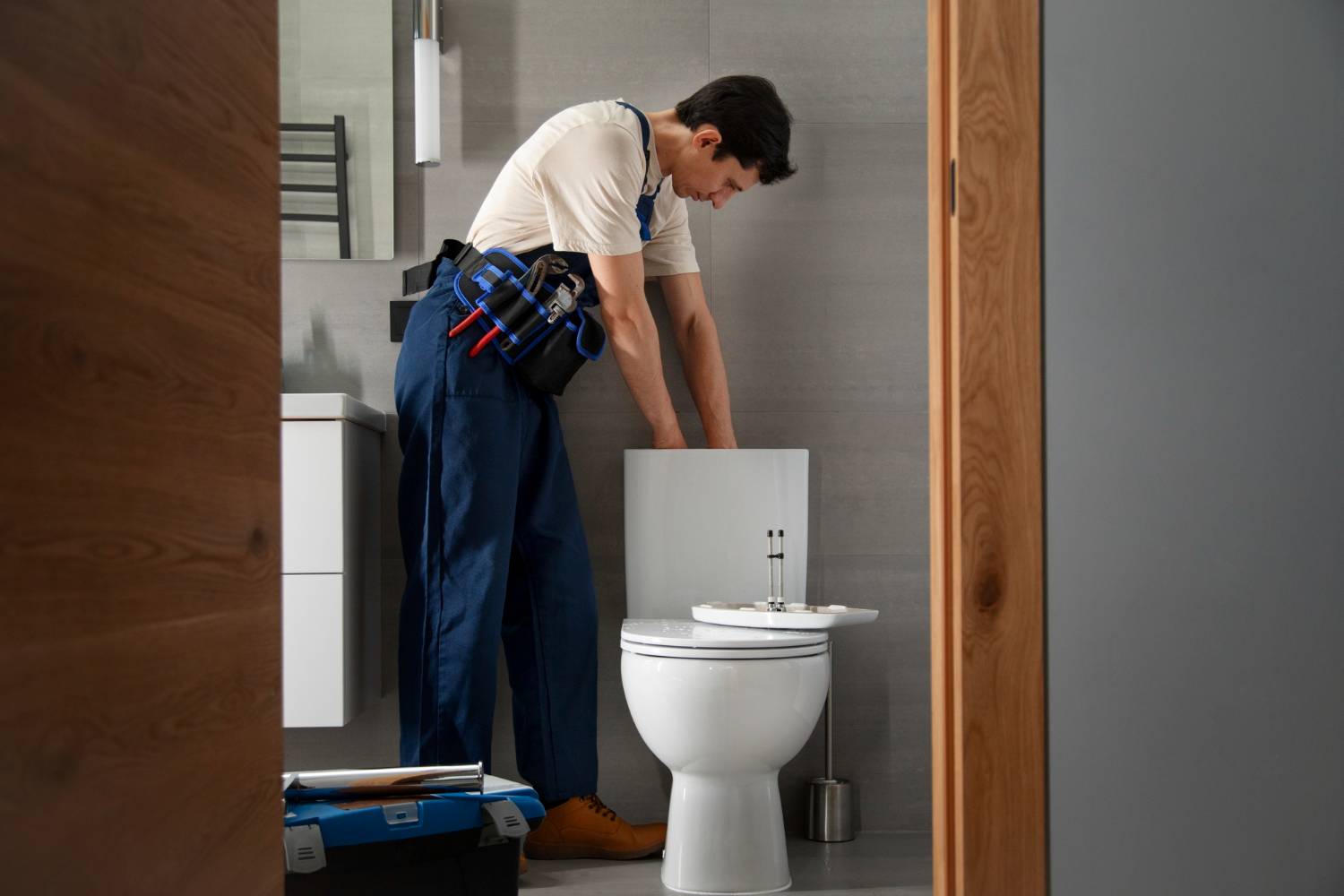
A quiet bathroom can hide a lot of trouble behind the walls and under the floor. Small leaks that you barely notice today can slowly weaken structures, grow musty smells, and turn into repairs no property owner wants to face. The good news is that most bathroom leaks give early signs. When you know what to look for and how to respond, you can catch problems before they spread and protect both your space and your peace of mind.
1. Spot early warning signs
Look for loose tiles, peeling caulk, or paint that bubbles on nearby walls. These can point to moisture sneaking in where it should not be. On the floor, pay attention to soft spots around the toilet or tub and any grout that stays damp long after a shower. If rugs keep getting wet without a clear splash, that is a hint too. Early leaks are often quiet and small, but these visual clues are the first gentle tap on the shoulder.
2. Listen for hidden troubles
A steady drip when no fixture is on, faint hissing at the wall, or running water noise near the toilet can all signal a leak behind the scenes. Turn off faucets and stand still for a moment. If the sound of water continues, it is time to look deeper. Even a tiny drip inside a wall cavity can soak wood and insulation over time. Catching these signals early keeps a minor annoyance from growing into a structural headache.
3. Follow moisture trails safely
Run your hand along walls beside the shower and under sink cabinets. Cool, damp spots or a slight spongy feel under vinyl or laminate flooring can reveal a slow leak. Use a small flashlight to look behind supplies, along pipe joints, and at the back of the vanity. If you notice discoloration, swelling, or a musty odor, limit water use in that area until you know more. Staying safe also means avoiding open electrical boxes and not cutting into walls on your own.
4. Call professionals
Tightening a loose showerhead or replacing worn caulk are simple tasks. But stains that keep spreading, recurring dampness, or suspected pipe damage inside walls deserve expert attention. Civil contracting teams and plumbers can use moisture meters, thermal tools, and careful inspection to trace leaks without tearing everything apart.
5. Plan repairs
Once the source is under control, consider how to reduce risk going forward. Properly sloped shower bases, quality caulk and grout, and secure backing for fixtures all support a longer lasting bathroom. Contractors can also evaluate framing, subfloor conditions, and ventilation. With thoughtful planning, the repair becomes an upgrade that strengthens the space and lowers the chance of repeat problems.
A bathroom should feel like a place of comfort, not concern. By paying attention to sights, sounds, and surfaces, you lower the chance that a small hidden leak turns into a bigger story. Steady care, honest assessment, and timely help from experienced hands keep water where it belongs and the rest of your property dry and sound.