
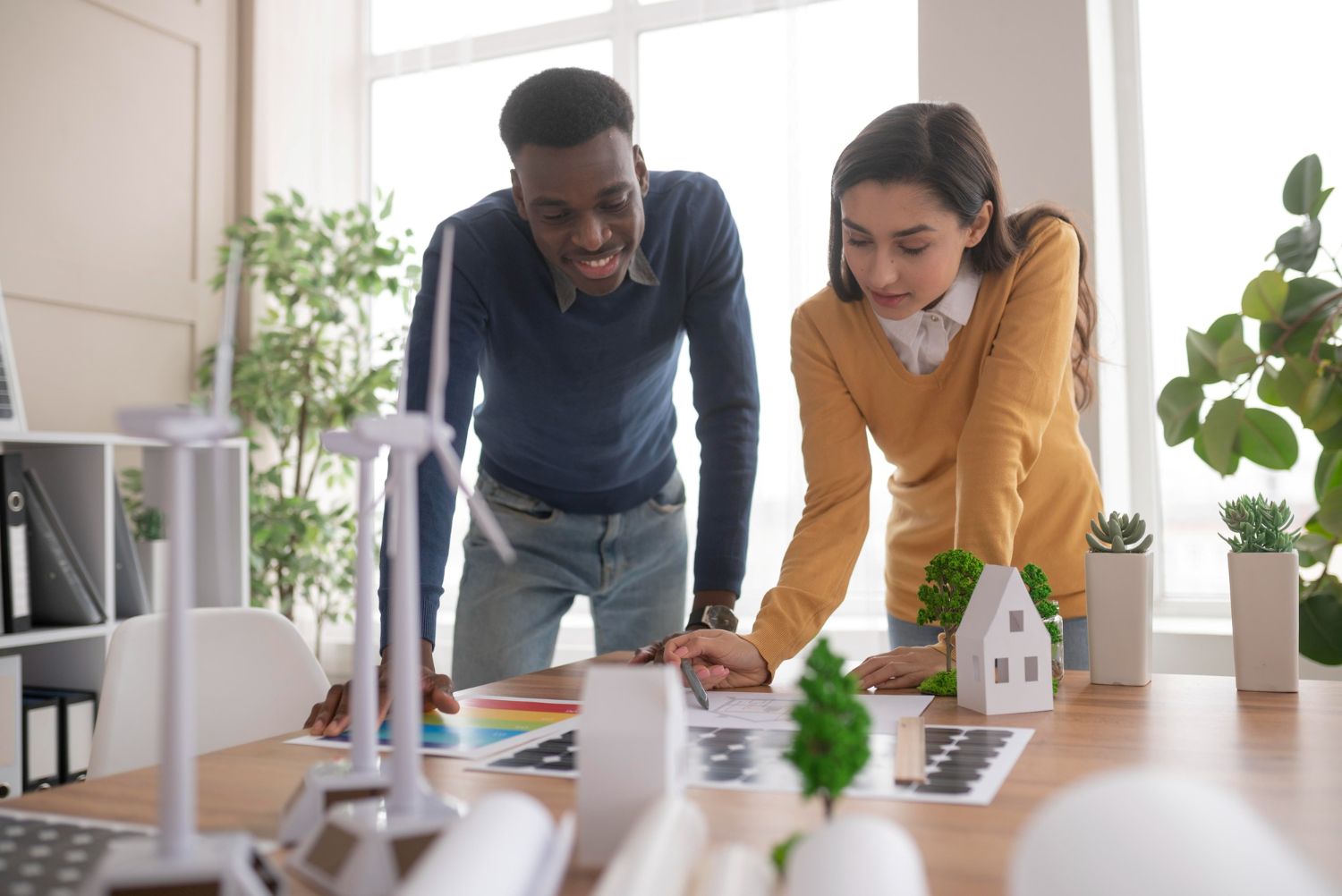
Across the country, more families and business owners are asking how their buildings can be kinder to the planet while still feeling safe and comfortable. Eco-friendly materials are moving from niche projects to everyday neighborhoods, and the shift is changing how homes, offices, and even small shops get built. When people think about construction, they often picture concrete, steel, and wood stacked high on a job site, yet a quiet change is taking place as greener materials show up in building plans, inspections, and long-term maintenance conversations.
1. What eco-friendly materials mean
Eco-friendly building materials simply aim to reduce strain on natural resources while still doing the basic jobs a structure needs. This includes familiar options like sustainably harvested wood, recycled metal, and insulation made from materials such as cellulose or wool. It can also mean concrete mixes that use less new cement or include recycled content. Instead of chasing trendy products, many builders are choosing materials that last longer, waste less, and support healthier indoor air.
2. How they improve comfort
Many green materials help keep indoor spaces more stable and comfortable through the seasons. Quality insulation and energy-smart windows can hold warmth inside during winter and block excess heat in summer. Natural flooring and finishes with low chemical content can also ease worries about indoor air. These small shifts add up over time, especially when a building is used every day. People who live or work in these spaces often notice fewer drafts, quieter rooms, and more consistent temperatures. Comfort may not be the first thing that comes to mind with eco-friendly construction, yet it quickly becomes one of the most appreciated benefits.
3. Why durability really matters
Some owners wonder if green materials can stand up to daily use, harsh weather, or heavy foot traffic. In many cases, durability is actually one of their strengths. Recycled metal roofing, fiber cement siding, and engineered wood products are designed to handle tough conditions while resisting rot, warping, or pest damage. When a material lasts longer, owners spend less time worrying about early replacement or repeated repairs. That kind of steady reliability can make an eco-conscious choice feel practical rather than risky, helping more people feel confident about trying newer options.
4. What to ask your builder
If you are curious about greener construction, clear questions can guide the conversation. Ask your builder which materials are locally available, how they perform in your climate, and what kind of upkeep they need over time. It also helps to talk about indoor air quality, noise control, and energy use instead of just short term costs. When you hear explanations in everyday language, it becomes easier to compare options and avoid feeling pressured.
5. How planning supports resilience
Thoughtful planning is where eco-friendly materials really show their value. When owners, designers, and builders look beyond quick fixes, they often find combinations of products that work together, such as air sealing paired with upgraded insulation and sturdy siding. These choices can help buildings stay usable through storms, heat waves, or power outages by keeping conditions steadier inside. As communities face shifting weather patterns, each well planned project can support a more stable neighborhood. Step by step, careful planning today shapes buildings that feel ready for tomorrow.
Choosing eco-friendly building materials does not need to be an all or nothing decision. Every thoughtful choice, from a single room upgrade to a new build, becomes part of a wider effort to protect comfort, health, and shared surroundings. As more owners ask careful questions and weigh options patiently, the path toward greener construction becomes clearer and more welcoming for everyone.