A quiet evening can turn stressful fast when your dishwasher backs up, leaks across the floor, or just refuses to drain. The good news is that many plumbing issues behind dishwasher trouble are simple, common, and manageable with a calm approach, a little know-how, and a clear understanding of when it is time to call in a professional who works with these systems every day.
1. Slow draining dishes mean clogs
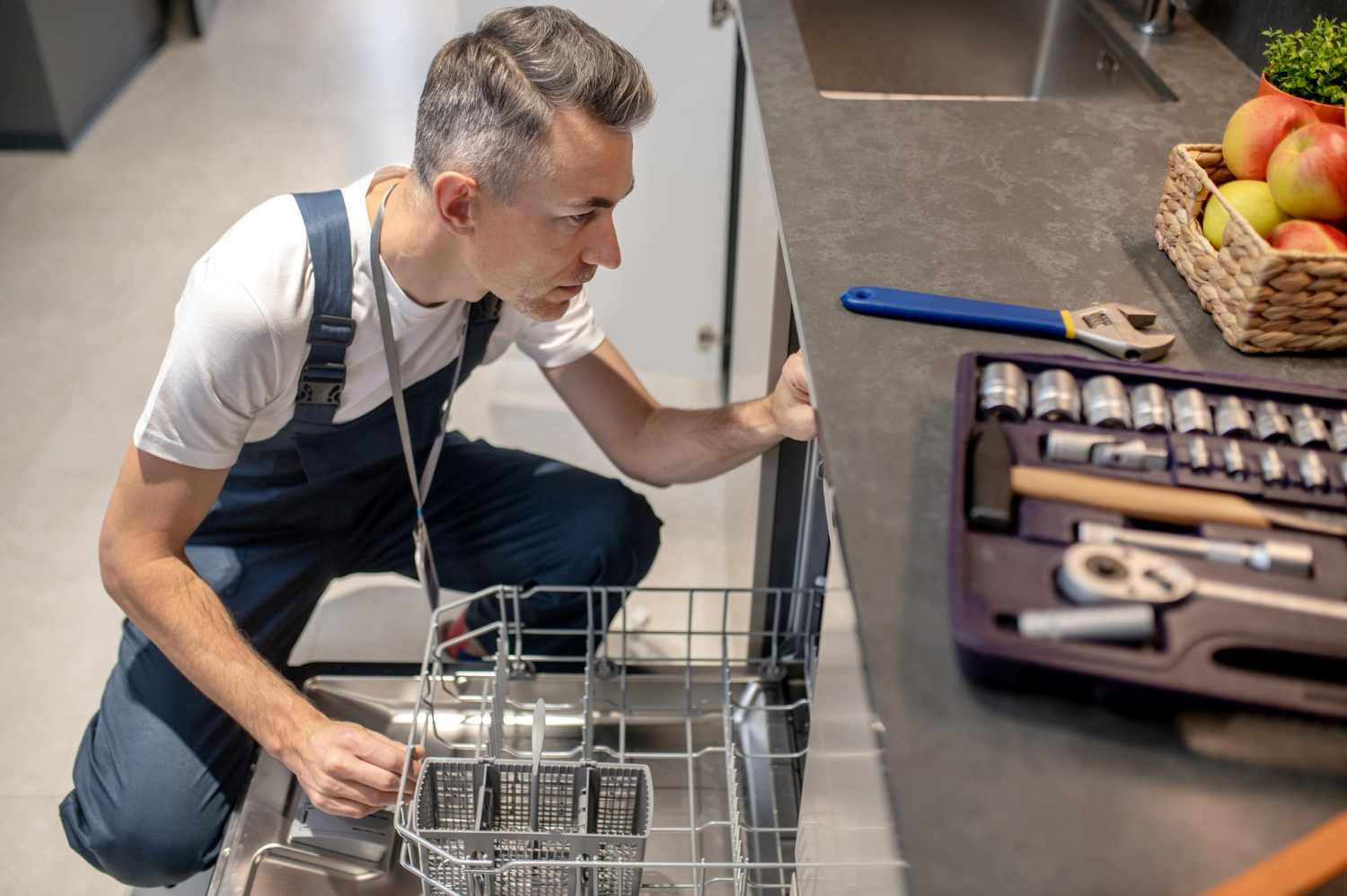
When the dishwasher finishes its cycle and you open the door to find standing water, the most likely cause is a partial clog in the drain line or filter. Food scraps, grease, and soap residue slowly build up and restrict water flow. Start by turning off power to the unit, then remove and rinse the filter with warm soapy water. Check the drain basket and gently clear away debris with a soft brush. If you can access the drain hose at the back of the unit, make sure it is not kinked or pinched. These small steps often restore smooth draining and help prevent bigger plumbing repairs later.
2. Gurgling sounds signal vent issues
Odd gurgling or bubbling noises in the sink when the dishwasher runs can point to a problem with venting or partial blockage in the shared drain. The plumbing needs air to move water freely. When air cannot enter correctly, you may hear that uneasy gulping sound. Start by running hot water in the sink before starting the dishwasher to help clear minor buildup. Check that the air gap on the sink, if you have one, is not blocked by grime. If gurgling keeps coming back, a plumber can inspect the venting and main drain line to find out what is going on inside the walls and under the floor.
3. Water on floor hints loose connections
Puddles around your dishwasher often trace back to loose or worn fittings on the water supply or drain line. Over time, vibration from normal cycles can shift connections and weaken clamps. Slide the unit out carefully, then inspect the hoses and valves with a flashlight. Look for damp spots, mineral traces, or slow drips. Gently tightening a loose clamp or replacing a brittle hose can make a big difference. If you see water marks on nearby cabinets or repeated leaks after basic checks, it is smart to stop using the appliance and arrange a professional visit.
4. Weak cleaning suggests supply problems
When dishes come out dirty or streaked, the issue is not always detergent. The dishwasher needs steady water pressure and the correct water temperature to do its job. Make sure the supply valve under the sink is fully open. Periodically clean the spray arms so that the tiny openings are free of buildup. If your home has older galvanized pipes or you sense wider pressure concerns, you may benefit from a more complete plumbing review to support all your fixtures and appliances.
5. Repeated issues ask expert support
If you keep facing the same leaking, backing up, or noisy operation after reasonable home steps, that pattern is telling you something. There may be a deeper issue in the drain line, a failing shutoff valve, or an installation concern that simple cleaning cannot fix. A licensed plumber or civil contracting team that works with residential systems every day can trace the full path of your water and waste lines, confirm whether your dishwasher was installed correctly, and suggest practical repairs that match your budget and your home.
Living with modern appliances should feel dependable and low stress. By learning a little about what common dishwasher plumbing issues look and sound like, you can respond sooner, prevent avoidable messes, and know when it is time to lean on experienced help. That mix of basic care at home and timely support from a qualified local team keeps your kitchen running smoothly and your routine on track.