
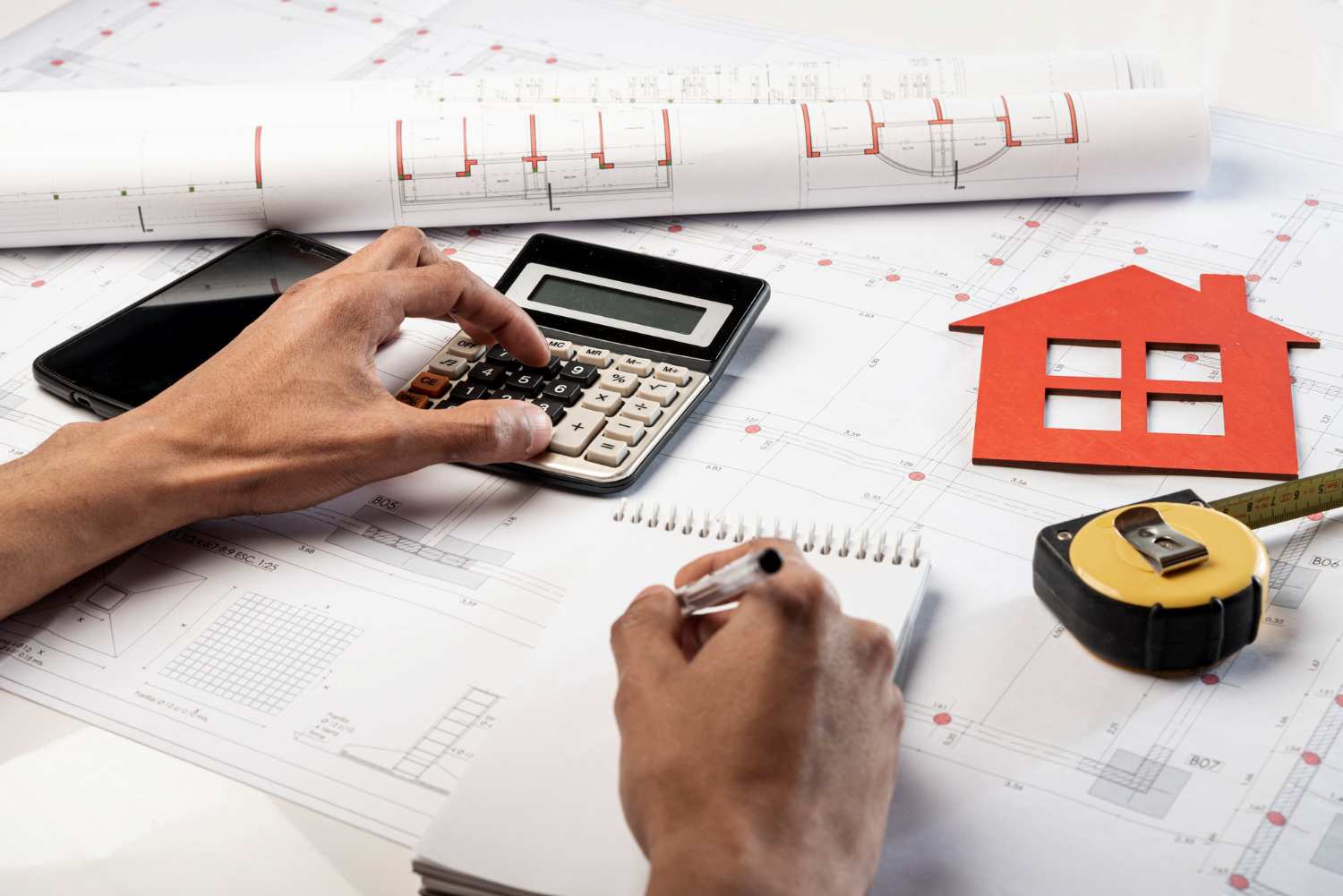
Planning a large construction project involves more than estimating the cost of materials and labor. Whether you are building a commercial property, developing a residential complex or undertaking a major renovation, expenses can change as the project progresses. A realistic budget helps you allocate resources, manage payments and prepare for unexpected costs without compromising the quality of the work. With careful planning and regular financial monitoring, you can keep your project on track from the initial design to final completion.
1. Define the Project Scope Clearly
Before estimating costs, establish exactly what the project will include. Define the size, layout, materials, finishes, structural requirements and expected completion date. A detailed project scope helps contractors estimate the work accurately and reduces the risk of misunderstandings that can lead to additional expenses. Any major changes to the design after construction begins can affect both the budget and the timeline, so finalize important decisions as early as possible.
2. Calculate Material and Labor Costs
Materials and labor typically account for a significant portion of construction expenses. Prepare estimates for concrete, steel, lumber, electrical supplies, plumbing fixtures, roofing and finishing materials, along with the labor required for each stage. Request detailed quotations from multiple suppliers and contractors, comparing specifications and payment terms rather than choosing solely on price. Remember to account for material delivery, equipment rental, waste disposal and possible price fluctuations during the project.
3. Include Permits, Inspections and Professional Fees
Construction budgets should cover more than the physical building work. Depending on the project and location, you may need to pay for building permits, zoning approvals, inspections, architectural designs, engineering services and other professional fees. Confirm the applicable requirements with local authorities and qualified professionals before construction begins. Including these costs in your initial estimate helps prevent administrative expenses from disrupting your financial plan later.
4. Set Aside a Contingency Fund
Unexpected conditions can arise even when a project has been carefully planned. Hidden structural damage, difficult site conditions, material shortages or necessary design adjustments can increase costs. A contingency allowance of around 10% to 20% of estimated construction costs is a common planning guideline, although the appropriate amount depends on the project's complexity, site conditions and level of uncertainty. Keeping this reserve separate from your planned spending gives you flexibility to handle genuine surprises.
5. Plan Your Cash Flow and Payment Schedule
A project may remain within its overall budget and still experience financial pressure if payments are due before sufficient funds are available. Create a cash flow forecast showing when deposits, supplier invoices, contractor payments and other expenses will fall due. Align payments with agreed milestones and verified work completed, while maintaining enough funds to cover upcoming commitments. This approach helps prevent delays caused by payment shortages and supports smoother coordination between everyone involved.
6. Track Expenses and Manage Changes
Once construction begins, compare actual expenses against your budget regularly. Maintain records of invoices, purchase orders, labor costs and payments, then review any differences between estimated and actual spending. Establish a formal process for approving changes to materials, designs or project scope before additional work begins. This makes the financial impact of each change visible and helps prevent small cost increases from accumulating into a major budget overrun.
A realistic construction budget combines accurate estimates, careful cash flow planning and ongoing expense monitoring. By defining the scope, accounting for all project costs and preparing for unexpected changes, you can make informed decisions throughout the construction process. Working closely with experienced civil contractors, architects and financial professionals can also help you manage resources efficiently and complete your project with greater confidence.