
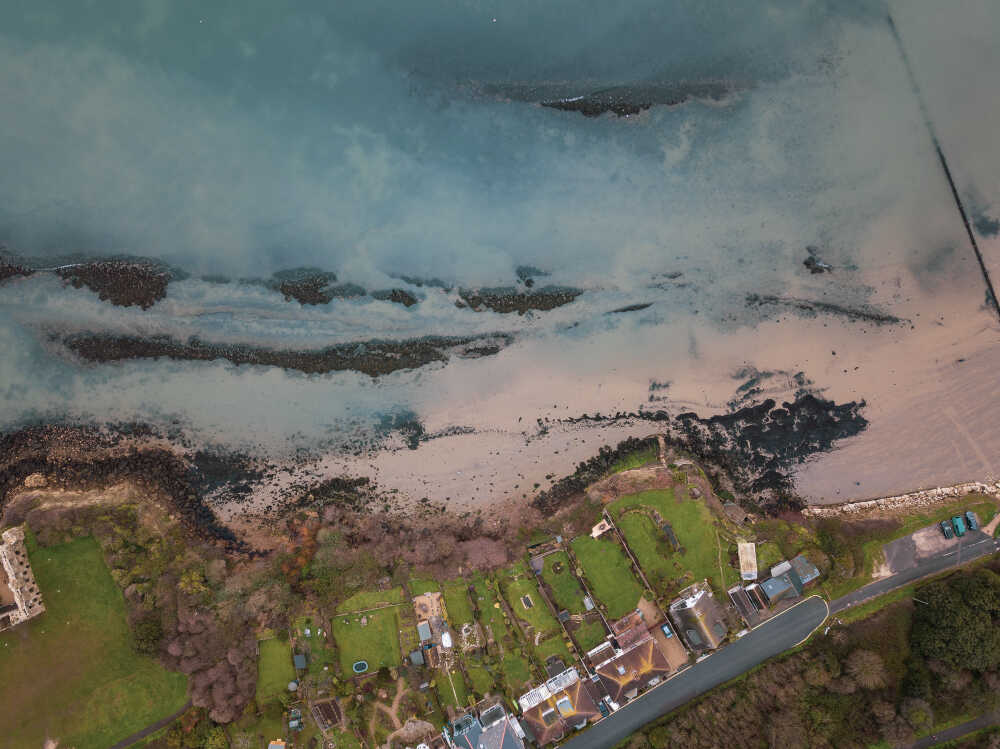
Building in coastal and flood-prone areas comes with unique challenges, but with the right construction practices, you can create safe, durable and sustainable structures that stand the test of time. Whether you're constructing a home or a commercial building, here are the best practices to consider.
1. Choose the Right Location
Before construction begins, thorough site evaluation is essential. Look for areas with higher elevations within the flood-prone zone. Avoid building in areas identified as high-risk flood zones or erosion hotspots. Understanding local zoning laws and flood maps can save you from future headaches.
2. Elevate Your Structure
Elevating the building is one of the most effective ways to mitigate flood damage. Use pilings, stilts or raised foundations to lift the structure above the Base Flood Elevation. This not only reduces the risk of water entering your building but may also lower insurance premiums.
3. Use Flood-Resistant Materials
Floodwaters can wreak havoc on standard building materials. Opt for flood-resistant materials like concrete, pressure-treated wood, and metal for walls, floors and foundations. Avoid porous materials like untreated wood and standard drywall, as they absorb water and can lead to long-term damage.
4. Design for Wind Resistance
Coastal areas are often hit by strong winds during storms. Incorporate features like wind-resistant roofing, impact-resistant windows and reinforced doors. Tie-downs and hurricane straps can secure the structure and prevent wind damage.
5. Ensure Proper Drainage
Flood-prone areas require excellent drainage systems. Install permeable surfaces such as pavers or gravel to minimize runoff and grade the land to divert water away from the foundation. Use French drains or sump pumps to handle excess water efficiently.
6. Seal and Waterproof
Waterproofing your building is key to minimizing flood damage. Apply sealants to walls, foundations, and openings. Install flood shields on doors and windows to prevent water intrusion during heavy rains.
7. Prepare for Emergencies
Equip your property with essential emergency features like backflow valves to prevent sewage backups and install battery-powered sump pumps. Keep utility systems like electrical panels and HVAC units elevated to reduce the risk of flood damage.
By following these best practices, you can build structures that are safe, resilient and capable of withstanding the challenges of coastal and flood-prone areas. Partnering with us, ensures the use of proven techniques and materials, giving you peace of mind no matter the weather.