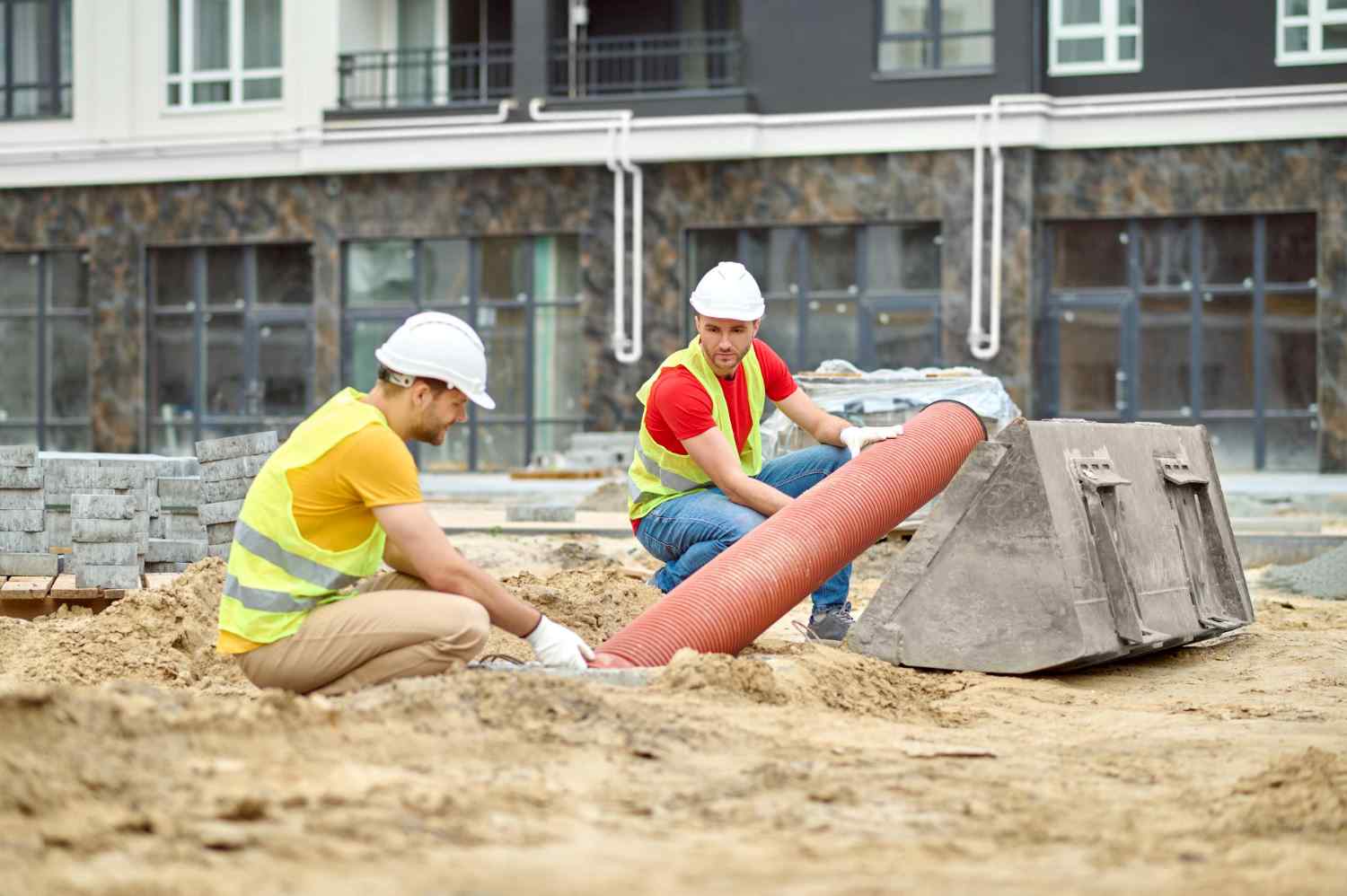
Drainage is one of the most critical yet often overlooked aspects of any construction project. While it may not always be visible, poor drainage planning can lead to serious structural and environmental issues over time. Understanding its role is essential for long term project success.
1. Prevents water accumulation and damage
Without proper drainage, water can collect around structures, leading to erosion, foundation damage, or surface deterioration. A well planned drainage system ensures that water is directed away efficiently, protecting the integrity of the structure.
2. Supports foundation stability
Excess moisture around foundations can weaken soil and reduce stability. Proper drainage planning helps maintain the right balance of moisture in the ground, which is essential for strong and stable foundations.
3. Reduces long term maintenance issues
Projects with poor drainage often require frequent repairs due to water related damage. By addressing drainage during the planning stage, many of these recurring issues can be avoided, saving time and cost in the long run.
4. Improves usability of the space
Waterlogged areas can affect how a space is used, whether it is a road, parking area, or landscaped zone. Effective drainage ensures that surfaces remain functional and safe under different weather conditions.
5. Helps manage environmental impact
Proper drainage systems also control how water flows through and away from a site, reducing the risk of flooding or soil erosion in surrounding areas. This supports responsible construction practices and environmental balance.
Drainage planning is not just a technical detail. It is a key factor in ensuring durability, safety, and performance. By prioritizing it early in the project, civil engineers can avoid major issues and create structures that stand the test of time.