
Saving water at home does not have to mean major changes to your daily routine. In the bathroom small upgrades can quietly cut waste while still keeping the space comfortable and inviting. When you look at fixtures through a water smart lens you often find that simple choices can ease strain on your plumbing and your monthly bills while also feeling good from a community standpoint.
1. Start with efficient showerheads for daily impact
Swapping to a modern low flow showerhead is one of the easiest ways to trim water use without losing comfort. New designs use air mixing and precise spray patterns to give you strong pressure with less water moving through the pipe. A licensed contractor can help you choose fixtures that fit your existing valves and finishes so the update feels like it has always been part of your bathroom. Because showers are part of most people’s daily routine this one upgrade adds up quietly week after week.
2. Choose smart faucets to stop waste
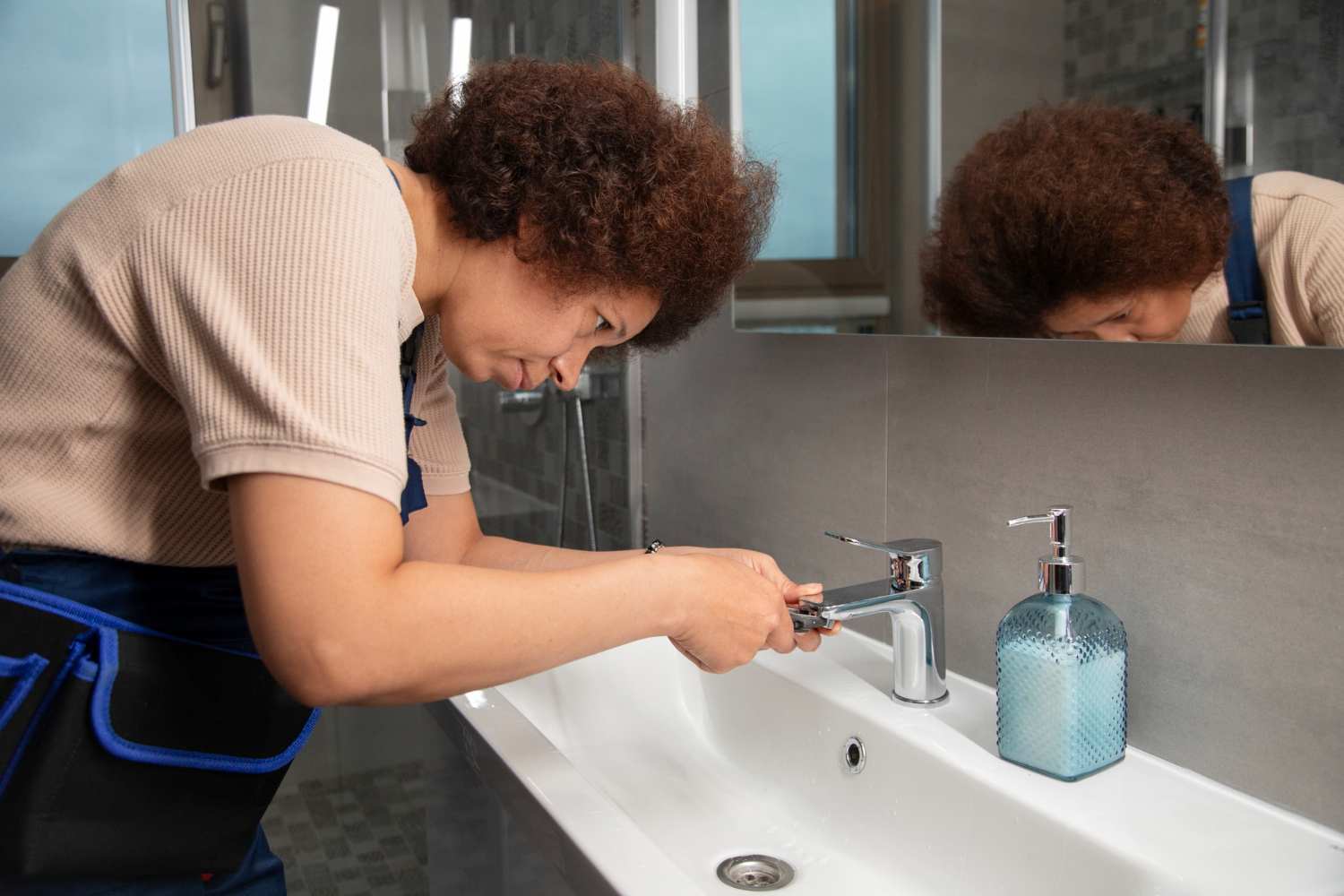
Bathroom faucets run far more than many homeowners realize especially during teeth brushing or hand washing. A simple aerator or a WaterSense style faucet can reduce flow while still letting you rinse quickly. Lever handles are easier for kids and older adults to use which means the water gets turned off more reliably between tasks. Touch free options can be helpful in busy family bathrooms where sinks see constant use and they also support better hygiene.
3. Upgrade toilets for steady savings
Older toilets can use several gallons every single flush which multiplies across a household. Newer models are designed to clear the bowl with less water by improving internal pathways and flush patterns. Dual flush toilets offer different settings for liquid or solid waste so you only use what is needed each time. A contractor familiar with residential codes can make sure the rough in size venting and floor structure work with your new fixture for dependable performance.
4. Look at pipes and valves for quiet efficiency
Fixtures get most of the attention but the hidden parts behind the wall matter too. Worn shutoff valves or aging supply lines can drip slowly without you noticing leading to wasted water and potential surface damage. During a bathroom upgrade a civil contracting team can inspect these components, suggest practical repairs and keep everything accessible for future service. Thoughtful routing can shorten pipe runs so you do not have to wait as long for hot water to reach the tap.
5. Add surfaces that support easy maintenance
Water saving is easier to stick with when cleaning the bathroom is simple. Moisture resistant walls, non porous counters and quality caulk around tubs and showers all help prevent leaks and staining. When grout lines stay sealed you are less likely to see small seepage that encourages mold growth and repeated scrubbing. Over time these choices protect nearby framing and finishes which supports the work your fixtures and plumbing are doing behind the scenes.
When you look at your bathroom as a complete system every careful choice works together to reduce waste and stress on your home. Thoughtful upgrades at a pace that fits your budget help create a space that feels responsible, comfortable and ready for many years of everyday use.