
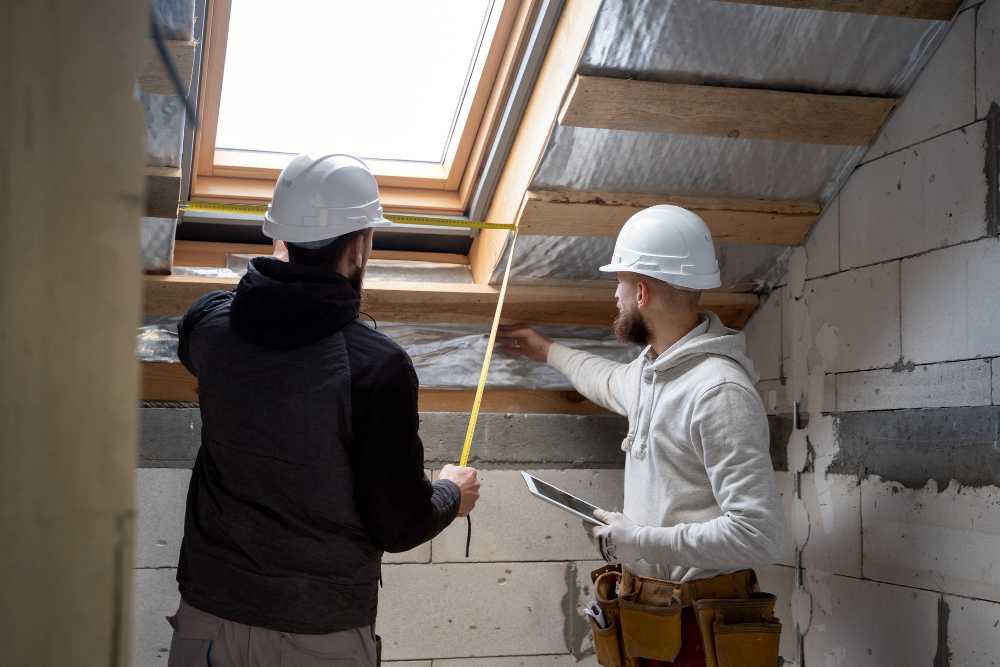
Insulation functions like a sweater for your home, retaining warmth in the winter while keeping it out in the summer. The right type lowers energy bills and raises comfort. Below is a simple guide to today’s main insulation options and where they shine inside the home.
1. Fiberglass Batts
- Look & Feel: Roll‑out blankets fitted between studs.
- Best For: Attics and wall cavities in new builds or easy‑access remodels.
- Note: Must be installed snugly—gaps let air leak and cut performance.
2. Blown‑In Cellulose
- Look & Feel: Loose paper fiber blown into attics or wall voids.
- Best For: Adding insulation to older homes without ripping out walls.
- Note: Settles slightly over time; periodic top‑ups keep R‑value high.
3. Spray Foam (Open‑Cell & Closed‑Cell)
- Look & Feel: Liquid that expands into a firm foam.
- Best For: Hard‑to‑reach gaps, rim joists, or sealing entire attics.
- Note: Highest cost per square foot; professional handling required due to chemicals and precise mixing.
4. Rigid Foam Boards
- Look & Feel: Sturdy sheets cut to size.
- Best For: Basement walls, exterior sheathing, or under slab foundations.
- Note: Joints need taping or spray foam fill to prevent air leaks.
5. Mineral Wool (Rock Wool)
- Look & Feel: Dense batts made from spun stone.
- Best For: Areas needing extra fire or sound resistance—party walls, furnace rooms.
- Note: Slightly pricier than fiberglass but resists moisture and pests better.
6. Key Numbers to Watch
- R‑Value: Measures resistance to heat flow; higher means better insulation.
- Air Sealing: Combine insulation with proper caulking around windows, doors, and outlets for top results.
- Local Codes: Climate zones dictate minimum R‑values—check your county rules or ask our team.
The “best” insulation depends on budget, project stage, and climate. Our construction experts can inspect your current setup and recommend an energy‑saving mix that pays back quickly on utility bills. Reach out for a no‑pressure home review.