
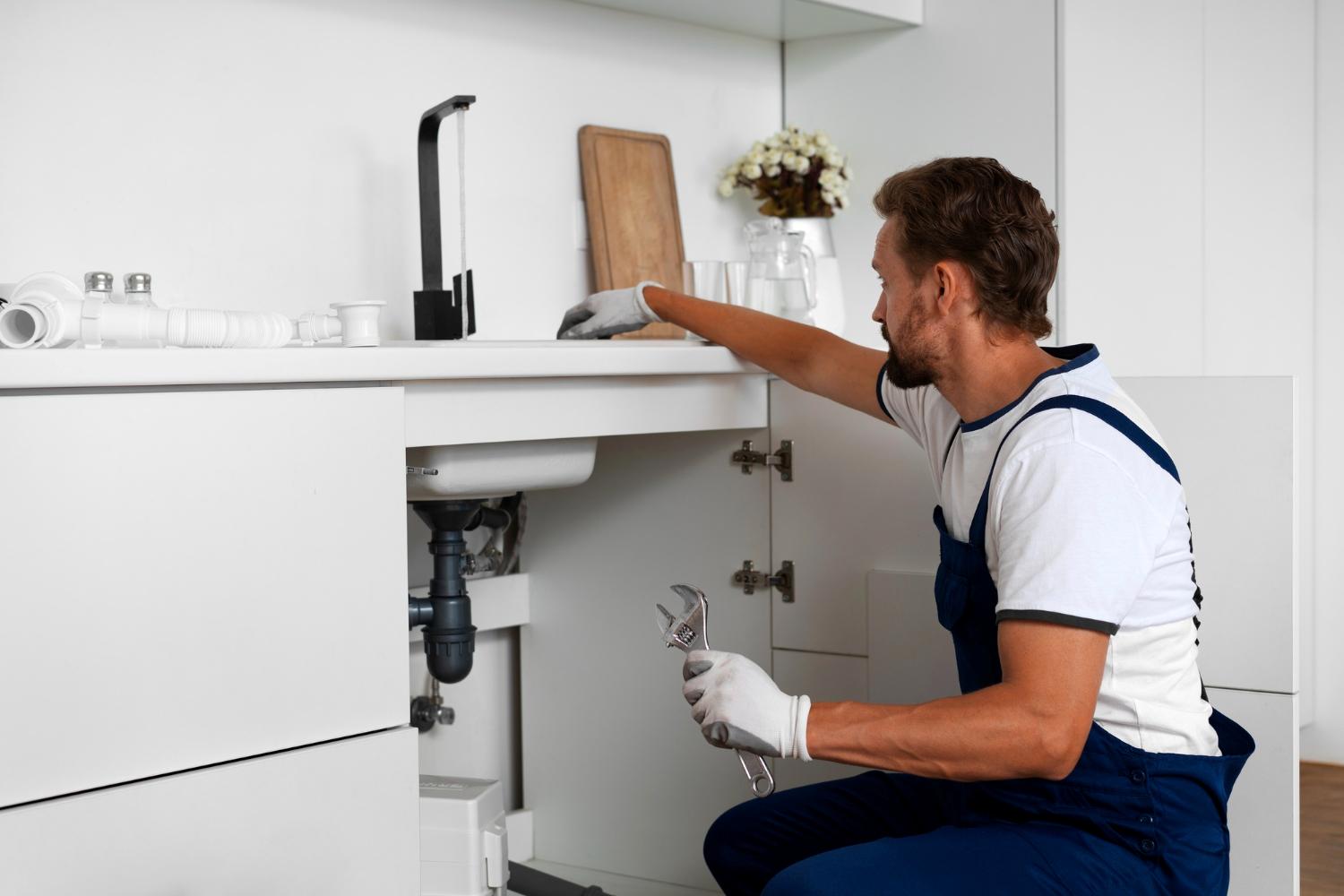
Most of us turn on the tap without thinking about what is really flowing out. We notice taste and temperature, but the path your water takes through your home can quietly change what you drink, cook with, and bathe in. Good plumbing does more than keep things running. It also helps protect the quality of the water your family uses every single day.
1. Aging pipes change taste and clarity
Older pipes inside a home can slowly affect water long before you see an obvious problem. Metal pipes may allow small amounts of material to flake off over time, which can change color or leave a slight metallic taste. Even plastic lines can collect buildup where water slows or sits. You might notice cloudy water that clears after a moment, or small particles at the bottom of a glass. These signs do not always mean a serious issue, but they are a reminder that plumbing is not frozen in time. Regular attention helps you catch changes early while they are easier to manage.
2. Hidden buildup influences water flow
Minerals, sediment, and other tiny particles can gather inside pipes and fixtures as the years go by. Where water moves through tight turns or older valves, this buildup can slowly narrow the space. You might see it as lower pressure at a shower head or sink, or as a faucet that sprays unevenly. While this seems like only a comfort problem, restricted flow can also affect how well your fixtures flush out old water. That can leave more room for stale water to sit inside your system. Clearing buildup and replacing worn parts help water move freely so fresh water gets where it needs to go.
3. Cross connections risk unwanted mixing
In some homes, older layouts or improvised repairs can create points where clean lines and other lines come too close together. Plumbers call these cross connections, and they raise the chance that water from one use could mix with another during a pressure change. Everyday activities like filling a mop bucket or connecting a hose to a sprayer can add to the risk if the right safeguards are missing. Simple devices that stop water from reversing direction help protect your home supply. A careful review of hose bibs, utility sinks, and outside connections can reduce these worries.
4. Fixtures and filters shape everyday use
Faucets, shower heads, and under sink filters all play a role in how your water behaves. Some fixtures are made from materials that hold up better over time and are less likely to affect taste. Others include small screens and cartridges that catch particles but need regular cleaning. Filters can be helpful when chosen for the right concern, such as taste or specific minerals, but they are not a fix for every plumbing issue. Replacing cartridges on schedule and selecting fixtures that match your local conditions can support both comfort and quality.
5. Routine checks build lasting confidence
Simple, steady care often does more for water quality than any single upgrade. Watching for stains on fixtures, listening for new sounds in the walls, or noticing a sudden change in taste gives you early clues. Annual visits from a trusted professional can uncover quiet issues like slow leaks or pressure problems before they spread. Pairing basic maintenance with an occasional water test helps you understand what is in your home’s supply today, not years ago.
Paying attention to plumbing is really about caring for the water that touches so much of daily life. When pipes and fixtures are treated as part of a living system, not just hidden hardware, you gain clearer insight into what you use every day. With steady habits and informed choices, your water can better reflect the clean, steady flow you expect from every tap in your home.