
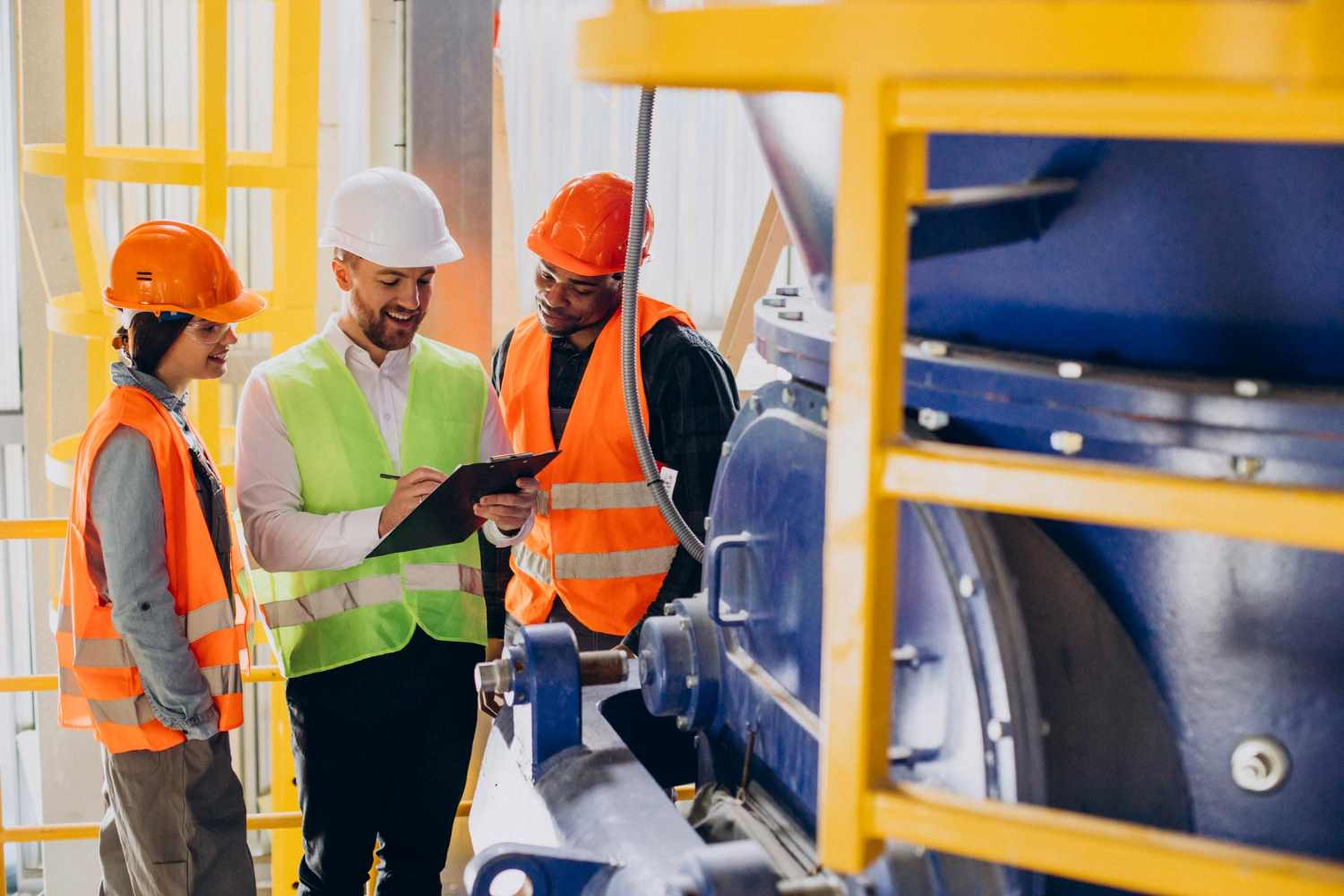
Most people focus on building infrastructure, but far fewer think about what it takes to maintain it over time. Roads, buildings, and utility systems are designed to last for years, but without regular upkeep, their performance can decline much faster than expected. Understanding the importance of maintenance helps protect both investment and functionality.
1. Prevents small issues from becoming major problems
Minor cracks, leaks, or surface damage may seem manageable at first, but over time they can grow into larger structural issues if left unattended. Regular inspections and timely repairs help address these problems early, reducing the risk of costly and complex fixes later.
2. Extends the life of infrastructure
Well maintained structures tend to last longer and perform better. Routine maintenance ensures that materials remain in good condition, which helps avoid premature deterioration and supports long term usability.
3. Improves safety and reliability
Infrastructure is used daily by people, whether it is a building, road, or drainage system. Poor maintenance can lead to safety risks, including structural weakness or system failures. Keeping everything in proper condition ensures safer and more reliable use over time.
4. Reduces long term costs
While maintenance requires ongoing investment, it is often more cost effective than major repairs or complete replacements. Planned upkeep helps manage expenses more predictably instead of dealing with sudden high costs.
5. Supports consistent performance
Infrastructure is built to deliver consistent results, whether it is handling traffic, supporting operations, or managing utilities. Regular maintenance ensures that performance remains stable and meets expected standards over time.
Infrastructure maintenance is not just about repairs. It is about preserving value, safety, and performance. By taking a proactive approach, businesses and property owners can ensure that their assets continue to function effectively for years to come.