
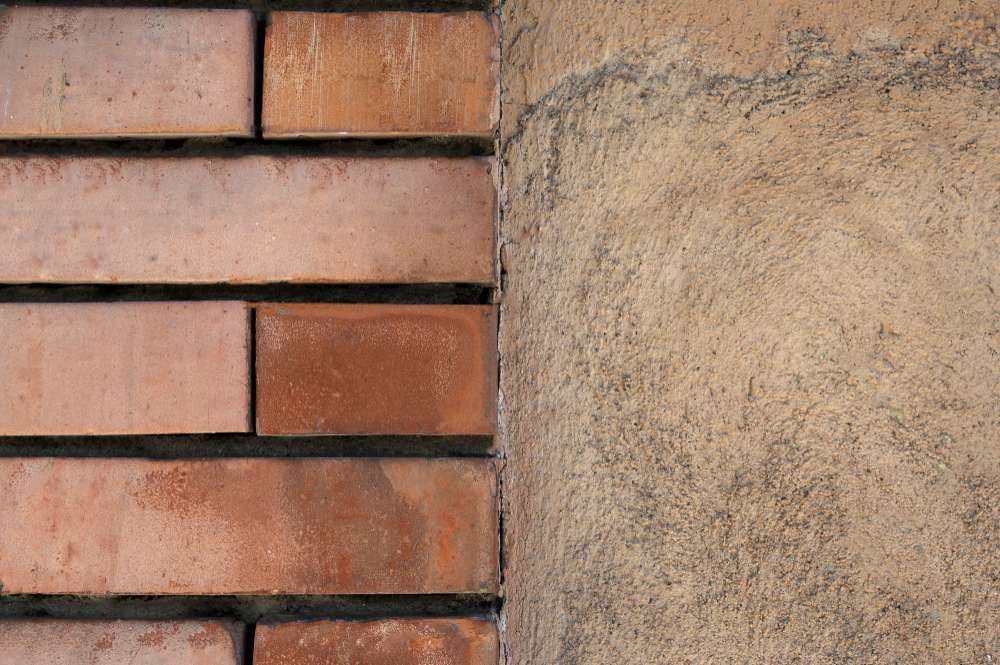
The success, longevity, and cost-effectiveness of a construction project are directly impacted by the materials you choose for the walls. Two of the most widely used materials for wall construction are bricks and concrete blocks. Each material offers distinct advantages and some drawbacks, depending on your specific needs. Here's a detailed look at the pros and cons of bricks and concrete blocks to help you make an informed decision.
Bricks
Pros:
1. Energy Efficiency
Bricks have good thermal mass, meaning they can absorb and retain heat well. This helps regulate indoor temperatures and keeps environments coolder in the summer and milder in the winter.
2. Durability and Strength
Bricks are known for their exceptional durability and strength. They can withstand severe weather conditions and don't decay over time, which makes them a long-lasting option for many types of buildings.
3. Fire Resistance
Bricks resist fire very well. They add a layer of safety to buildings by withstanding high temperatures without burning or suffering severe harm.
Cons:
1. Cost
Brick can be more expensive than other building materials, both in terms of initial material costs and labor, since laying bricks is more labor-intensive.
2. Weight
Structural support is needed for brickwork, especially tall buildings. This may increase the intricacy and expense of construction.
3. Limited Insulation
While bricks have good thermal mass, they only naturally provide the best insulation with additional materials to help reduce heat transfer.
Concrete Blocks
Pros:
1. Cost-Effectiveness
Concrete blocks are generally less expensive than bricks in terms of material cost and installation. They are often larger than bricks, so they cover more area with fewer units, speeding up the construction process.
2. Versatility
Concrete blocks can be used in various architectural styles and can be finished with stucco, paint, or other facades to enhance their appearance. They can also be reinforced with steel to improve structural integrity.
3. Soundproofing Qualities
Concrete blocks, due to their density and mass, provide better soundproofing than brick, making them a good choice for commercial buildings in noisy areas.
Cons:
1. Aesthetic Limitations
While versatile, concrete blocks typically do not offer the same classic beauty as bricks. They usually require a finish or facade to improve their external appearance.
2. Moisture Sensitivity
Concrete blocks can absorb moisture if not properly sealed, leading to mold growth and water damage over time.
3. Structural Limits
Solid and concrete blocks are less robust than bricks under compression unless reinforced, which can limit their use in specific structures without additional support.
When choosing between bricks and concrete blocks, consider factors such as the climate, the building's purpose, aesthetic preferences, budget, and long-term maintenance expectations. Both materials have their place in construction, with each offering benefits that may be better suited for different types of projects. By understanding the pros and cons of each, you can make a decision that best meets the needs of your specific project, ensuring durability, functionality, and beauty in your building's design.