
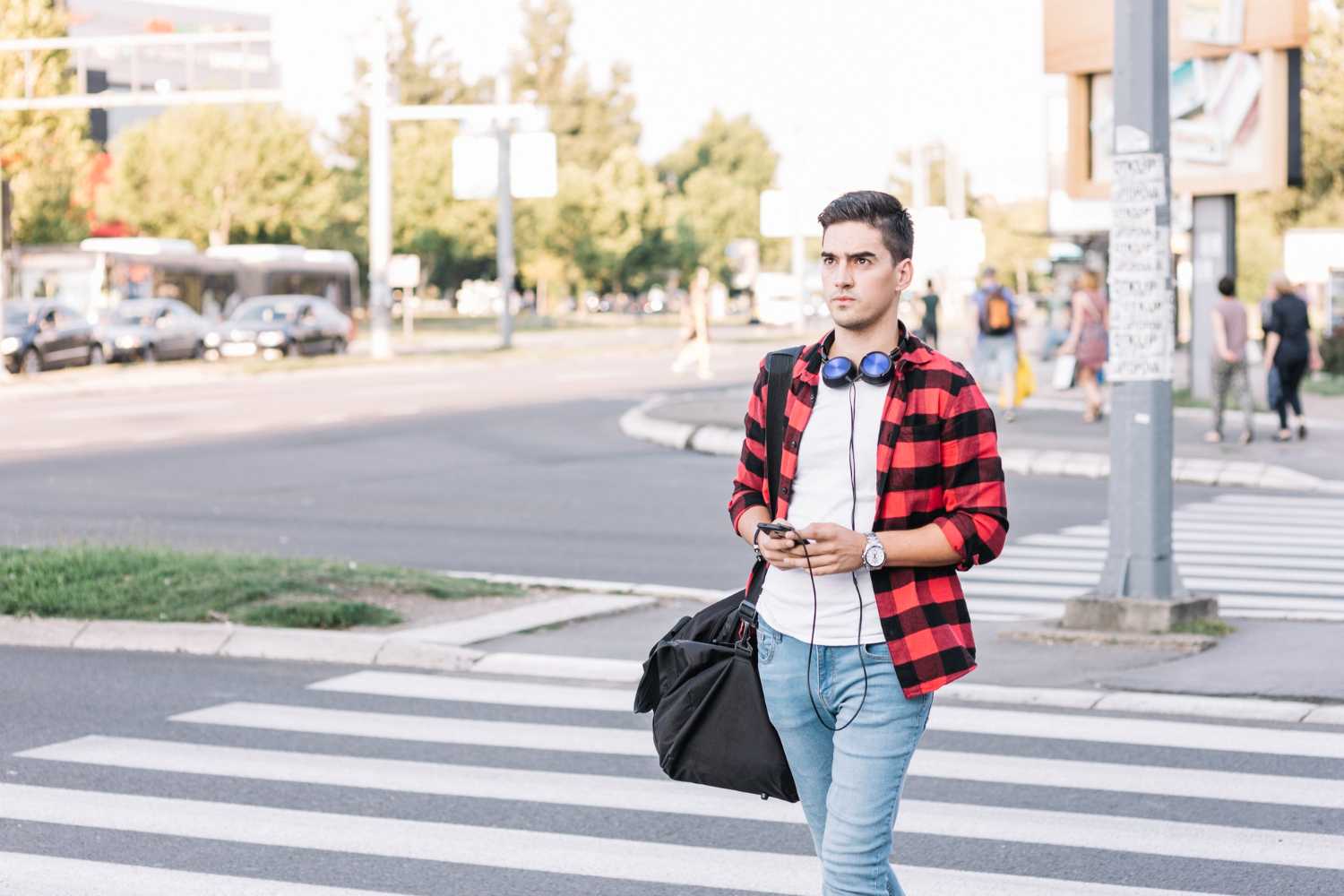
A city may have new buildings, busy stores and modern roads, but if walking from one block to the next feels unsafe or inconvenient, everyday life becomes harder than it needs to be. Pedestrian-friendly design focuses on how people move through streets, sidewalks and public spaces on foot. For developers, contractors and communities, thoughtful planning can improve safety, accessibility and the overall experience of an urban area while helping different parts of the neighborhood connect more naturally.
1. Safe sidewalks make everyday movement easier
A continuous, well-built sidewalk gives pedestrians a clear place to walk without competing with moving vehicles. Width, surface condition and proper drainage all matter. Cracked pavement, sudden level changes or obstacles can make even a short walk uncomfortable, especially for older adults, children or people using mobility devices. Designing sidewalks with enough space and a stable surface creates a safer route between homes, businesses, transit stops and public spaces.
2. Crossings need to feel clear and predictable
Intersections are often where pedestrians feel most exposed. Clearly marked crosswalks, good visibility and properly placed curb ramps help drivers and pedestrians understand where movement should happen. Lighting can also improve visibility after dark. In busier areas, median refuges or shorter crossing distances may make wide roads easier to navigate. These features work best when they are planned as part of the street design rather than added only after pedestrian problems appear.
3. Accessibility should be built in from the start
A pedestrian-friendly area should work for people with different mobility needs. Curb ramps, appropriate slopes, tactile warning surfaces and unobstructed pathways help make sidewalks more usable for wheelchair users and people with visual or mobility limitations. Planning accessibility early can also reduce the need for expensive modifications later. Good urban design becomes more useful when everyone can move through the space with greater independence.
4. Shade and comfort encourage people to walk
A technically usable sidewalk may still be unpleasant if it offers no shade, seating or protection from traffic. Street trees, landscaping and thoughtfully placed benches can make walking more comfortable, particularly during hot weather. Buildings can also be positioned to create more pleasant pedestrian edges rather than long blank walls or oversized parking areas. When walking feels comfortable, people are more likely to use nearby stores, parks and community spaces.
5. Good drainage protects pedestrian areas
Standing water can quickly turn sidewalks and crossings into difficult or unsafe routes. Proper grading, stormwater systems and drainage inlets help keep pedestrian areas usable after heavy rain. Drainage planning also protects pavement from premature deterioration and reduces erosion around curbs and landscaped areas. For contractors, this is an important reminder that pedestrian design involves what happens below and beside the pavement as much as what people see on the surface.
6. Walkable design can strengthen the whole neighborhood
When people can move comfortably between homes, businesses, transit and public spaces, an urban area can feel more connected. Shops may benefit from more foot traffic, parks become easier to reach and residents have more opportunities to interact with their surroundings. Pedestrian-friendly design also gives communities more transportation choices for short trips that may not require a vehicle.
Creating better urban spaces takes more than adding sidewalks after roads and buildings are complete. Pedestrian movement should be considered alongside grading, drainage, accessibility, lighting and traffic flow from the beginning. When these elements work together, streets become safer, more practical and more welcoming for everyone who uses them.