
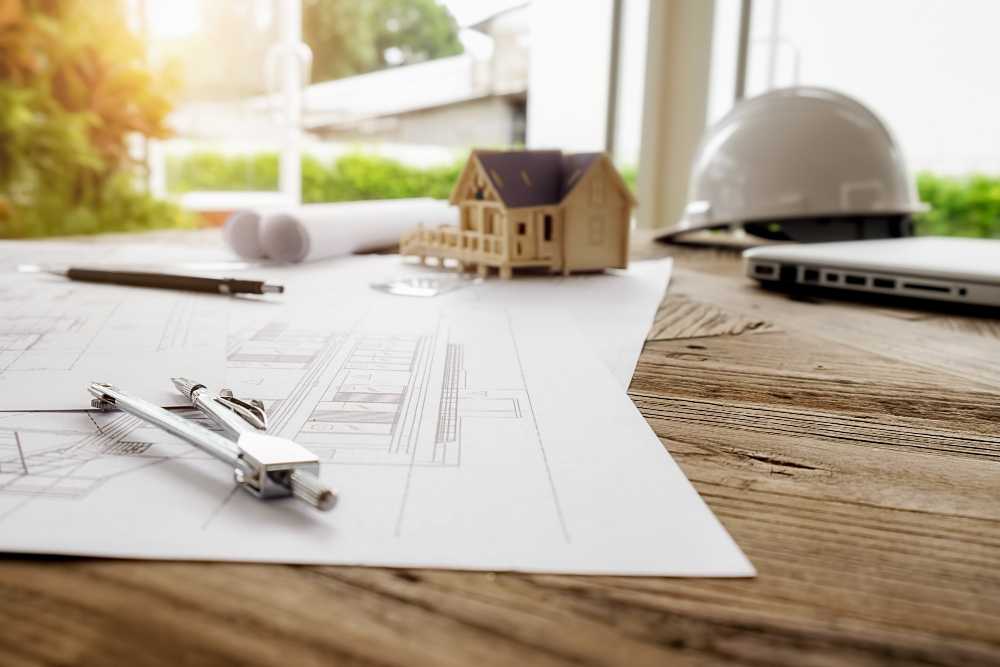
Picture two job sites side by side. One is a twenty-story office tower that rises above Main Street. The other is a cozy three‑bedroom home in a quiet suburb. Both require firm plans, solid materials and skilled hands; yet, the path from an empty lot to a finished building is very different. If you are considering financing a project—large or small—understanding these differences can save you time, money and stress. As we civil contractors often say, “The right plan starts with knowing the ground you stand on.”
1. Purpose and People
- Commercial: Built for business, these projects must handle heavy foot traffic, larger equipment and stricter safety rules. Owners often include investors, developers and future tenants.
- Residential: Homes focus on comfort, privacy and personal style. The main voice at the table is usually the homeowner or a small builder.
2. Codes and Permits
- Commercial: Cities apply the International Building Code (IBC), which demands robust fire suppression, ADA access and higher load limits. Approvals can involve many reviews and public hearings.
- Residential: Most single-family homes are built to comply with the International Residential Code (IRC). Permits still matter but the process is simpler and faster. We civil pros guide clients through both systems, so paperwork never slows a pour or a payment.
3. Design and Materials
- Commercial: Steel frames, deep foundations and energy‑efficient glass are common. Costs run higher but they deliver long‑term durability and lower operating bills.
- Residential: Wood framing and standard shingles keep budgets friendly. Upgrades like solar panels or smart wiring add value without breaking the bank.
4. Timelines and Budgets
- Commercial: Schedules often stretch over months—or even years—due to scale and complexity. Financing often comes in layers, including bank loans, investor capital and sometimes public funds. Lenders look for detailed project plans and we civil contractors supply real‑world cost data that keeps everyone confident.
- Residential: A single‑family home can rise in six to nine months. Loans are simpler but unexpected soil issues or weather can still cause overruns. Having us civil experts on‑site helps spot trouble early and keep draws on track.
5. Risk and Safety
- Commercial: Taller structures mean tougher safety rules. Crews need harnesses, cranes and constant inspections.
- Residential: Risks are lower, yet proper scaffolding, electrical checks and site cleanup remain vital. Either way, civil teams enforce safe habits that protect both workers and their wallets.
Whether you are financing a storefront or a starter home, the core goal is the same: finish on budget, on time and without surprises. Commercial jobs demand larger crews, stricter codes and layered funding, while residential builds reward speed and a personal touch. By partnering with our civil contractors—the individuals who translate blueprints into bricks —you gain a steady hand from groundbreaking to grand opening. Ready to break ground? Let’s build something solid together.