
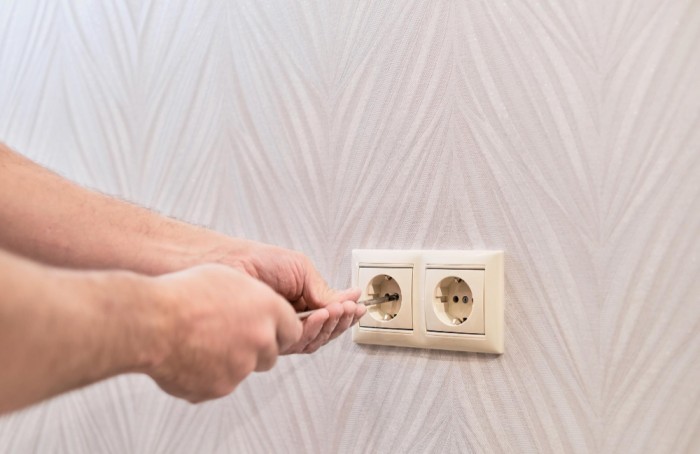
Electrical safety and efficiency have never been more critical in an era when various gadgets and appliances increasingly power our homes. Homeowners in America must understand how to manage their home wiring systems to prevent hazards and optimize performance. Below, we explore some best practices for electrical safety and efficiency in-home wiring.
1. Understand Your Home’s Electrical System
Before diving into any electrical project, it’s essential to have a clear understanding of your home’s electrical system. Familiarize yourself with the main components, such as the circuit breaker box, the heart of your home’s electrical system. Knowing which circuit controls each part of your home will help you manage loads and troubleshoot problems.
2. Keep Your Electrical System Up to Code
Electrical codes are not just bureaucratic red tape but crucial for safety and efficiency. The National Electrical Code (NEC) is updated every three years and sets the minimum standards for electrical safety. Codes cover everything from the number of outlets you can have on a single circuit to the types of wiring you can use. Ensuring your home is up to code can prevent electrical fires and other hazards. If you need more clarification, consult a licensed electrician who is familiar with the current regulations and can help make the necessary adjustments.
3. Regular Inspections and Maintenance
Like any critical system, your home’s electrical system requires regular inspections and maintenance. This includes checking for frayed wires, testing circuit breakers, and GFCI outlets, and ensuring all connections are secure. Consider having a professional electrician conduct a thorough inspection every few years. This can help catch issues before they become serious problems.
4. Use the Right Size and Type of Wires
Using the correct wire size and type is crucial for safety and efficiency. Wires too small for a given electrical load can overheat, risking an electrical fire. Refer to the NEC or consult an electrician to determine the appropriate wire size for each circuit based on the expected load. Additionally, ensure that the wiring insulation is suitable for its application—for example, some wires are rated for in-wall use while others are not.
5. Implement Energy-Efficient Practices
Efficiency in home wiring isn’t just about safety; it’s also about reducing your energy consumption and bills. Use LED bulbs instead of incandescent ones to save on electricity. Consider installing timers or motion sensors to control lighting and reduce the time lights are on unnecessarily. Additionally, smart power strips can help manage power usage by turning off standby power to electronics that aren’t in use.
6. Proper Load Management
Overloading circuits can lead to tripped breakers and potential hazards. It’s essential to distribute your electrical load evenly across different circuits. High-power appliances, such as dryers and refrigerators, should have dedicated circuits. Be mindful of not plugging too many devices into one outlet or extension cord, which can also lead to overloads and overheating.
7. Upgrade Old Electrical Panels
If your home is older, it might have an outdated electrical panel that can’t handle modern electrical loads. Older panels pose a safety risk and prevent the efficient functioning of home appliances. Upgrading to a modern electrical panel can enhance safety and allow additional circuits to be added, thus supporting more appliances and possibly higher-tech installations.
8. Educate Your Household
Lastly, safety is a team effort. Educate everyone in your household about basic electrical safety principles. This includes not overloading outlets, the importance of using surge protectors and recognizing signs of electrical problems, such as frequent tripping of breakers, flickering lights, or a burning smell near appliances or wiring.
Adhering to these best practices can ensure your home’s electrical system is safe and running as efficiently as possible. Whether installing new appliances, renovating parts of your home, or simply maintaining your existing system, electrical safety and efficiency are essential for a secure and functional home environment.