
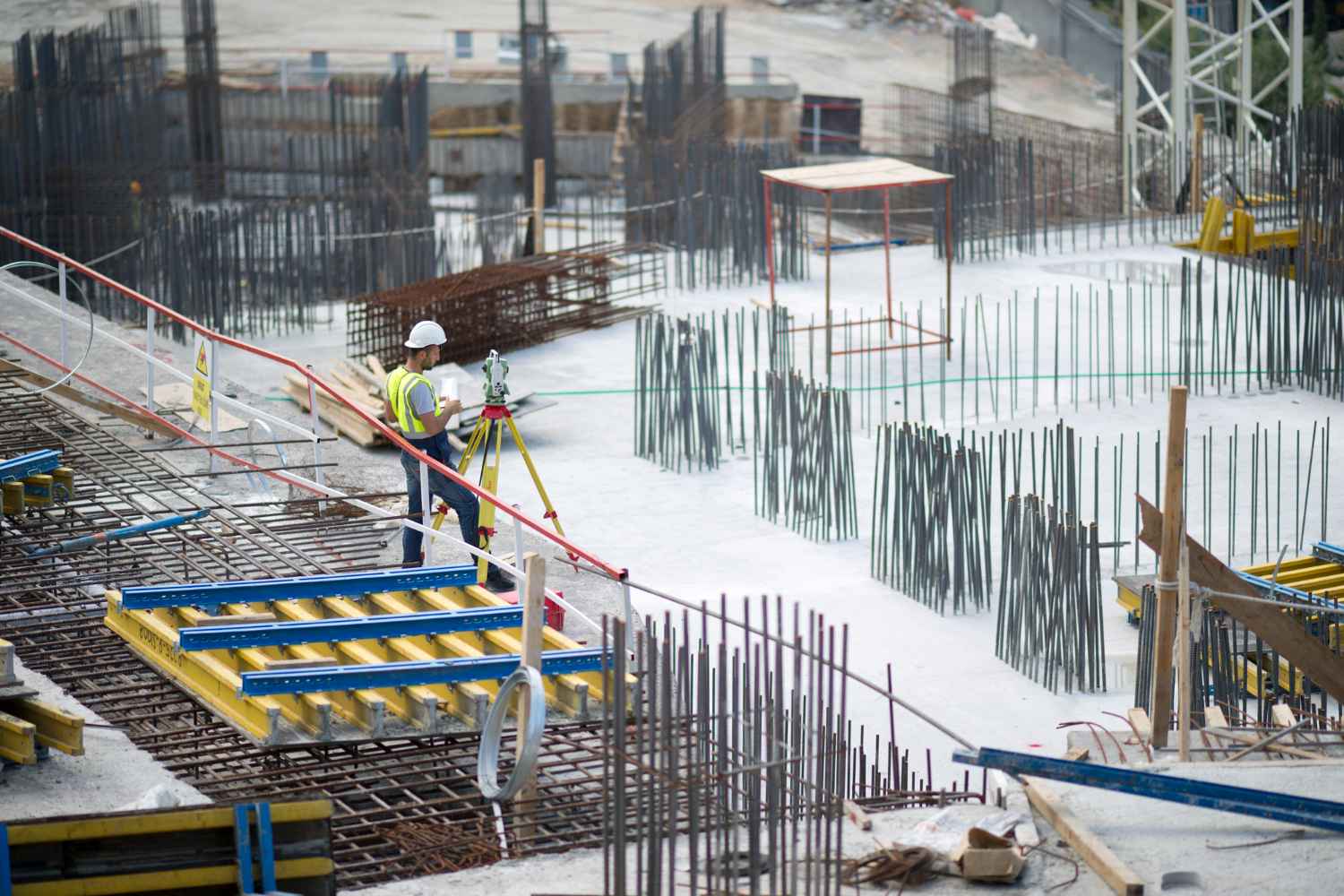
Concrete may look simple once it has hardened, but the conditions during mixing, placement and curing can have a major influence on its performance. Temperature, rain, wind and humidity can affect how quickly concrete sets and how well it develops strength. For civil contractors, understanding weather conditions before and during concrete work is an important part of maintaining quality and reducing avoidable construction problems.
1. Hot weather can make concrete set too quickly
High temperatures can speed up water evaporation and cause concrete to lose workability faster than expected. Workers may have less time to place, compact and finish the concrete correctly. Rapid moisture loss can also increase the possibility of surface cracking. Scheduling pours during cooler parts of the day and protecting fresh concrete from excessive heat can help manage these risks.
2. Cold temperatures can slow strength development
Concrete generally gains strength more slowly in cold conditions. If temperatures fall too low, the water within fresh concrete can freeze before adequate strength develops, potentially affecting its durability. Contractors may need to use protective coverings, heaters or other cold-weather concreting methods to maintain suitable conditions during placement and curing.
3. Rain can affect freshly placed concrete
Unexpected rain during concrete placement can create several challenges. Heavy rainfall may disturb the surface or introduce excess water before the concrete has properly set. This can affect the finish and potentially weaken the surface. Monitoring weather forecasts and having protective materials ready can help construction teams respond quickly when rainfall is expected.
4. Strong winds increase moisture loss
Wind can cause moisture to evaporate rapidly from freshly placed concrete, even when temperatures are not extremely high. This may increase the risk of plastic shrinkage cracks before the concrete has fully hardened. Wind barriers, proper curing methods and careful scheduling can help protect exposed concrete during windy conditions.
5. Humidity influences the curing process
Low humidity can accelerate moisture loss from the concrete surface, while higher humidity generally slows evaporation. Since adequate moisture is important during curing, contractors need to consider humidity along with temperature and wind. Proper curing methods help concrete retain the moisture needed to develop its intended strength and durability.
6. Weather affects construction schedules
Concrete work often depends on having a suitable weather window. Extreme heat, freezing conditions, heavy rainfall or storms may require a pour to be delayed or construction methods to be adjusted. Including weather considerations in project scheduling can help teams avoid rushed decisions and reduce the risk of having to repair poorly executed work later.
7. Preparation can reduce weather-related problems
Weather cannot be controlled, but construction teams can prepare for it. Reviewing forecasts, planning suitable pour times, arranging protective coverings and preparing curing materials can make a significant difference. Experienced civil contractors also adjust construction methods based on site conditions rather than treating every concrete pour the same way.
Weather conditions can influence concrete from the moment it is mixed until it develops sufficient strength. Heat, cold, rain, wind and humidity all require careful attention during construction. By planning around weather conditions and following suitable placement and curing practices, contractors can help improve concrete quality, reduce defects and create structures built for long-term performance.