Civil construction is part of the backdrop of daily life in the United States. Roads, bridges, schools, and water systems are so familiar that we rarely think about the quiet innovations changing how they are planned, built, and protected. For an insurance company that supports civil contractors, paying attention to these changes is not about hype. It is about understanding how new tools can make projects safer, more predictable, and more resilient for the communities that rely on them.
1. Smarter planning with digital models and data sharing
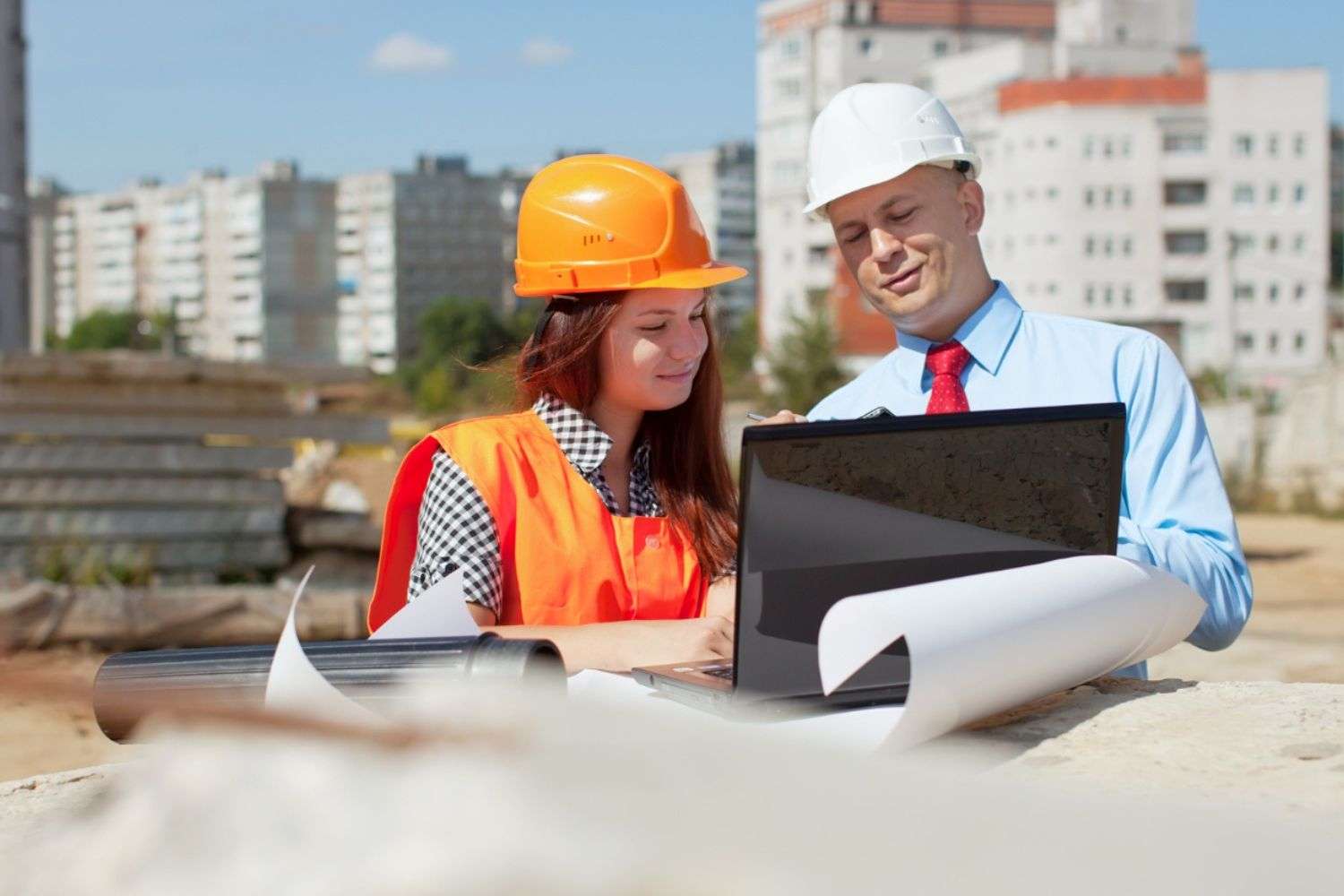
Digital models, often called virtual twins of a project, are making it easier for contractors, designers, and project owners to see the same picture. Instead of separate paper plans, teams can work in one shared digital space that shows where pipes run, how traffic will flow, and how a bridge or roadway will handle stress over time. In the U.S., this helps city and state agencies coordinate more clearly with contractors, which can reduce change orders, delays, and disputes. For insurers, clearer planning often means fewer surprises on the jobsite and a more complete view of project risk.
2. Safer jobsites through wearables and simple sensors
Jobsite safety has always been a priority in American construction, but new tools are adding another layer of protection. Wearable devices that monitor motion or sudden impacts, basic sensors that detect changes in soil movement, and connected equipment that tracks use and maintenance are becoming more common. These tools do not replace training or supervision. Instead, they give early warnings and real time information that can help supervisors step in before a small concern becomes a larger incident. When risks are spotted sooner, workers, contractors, and insurers all benefit.
3. Stronger materials designed for resilience and repair
Across the United States, many roads and bridges are aging while traffic keeps increasing. New materials are being designed with a focus on resilience and easier repair. High performance concrete, fiber reinforcement, and protective coatings can help structures handle heavy loads and harsh weather. Some pavement systems are built so that damaged sections can be replaced with less disruption. These innovations support long term reliability, which matters to local communities and to the insurers who help protect public projects and private contractors from unexpected structural problems.
4. Greener construction that still respects real world budgets
Civil contractors are being asked to meet stricter environmental expectations in many states, from stormwater controls to energy efficient lighting on highways. At the same time, they still have to deliver projects that stay within realistic budgets and schedules. Innovations like recycled asphalt, better erosion controls, and smarter lighting systems help bridge that gap. They allow American contractors to meet environmental rules without losing sight of practical constraints. For insurers, projects that manage environmental impact responsibly can reduce the likelihood of regulatory issues or costly remediation later.
5. More collaborative risk management across the project team
Perhaps the most important innovation is not a device or material, but a mindset. Owners, engineers, contractors, and insurers are working together earlier to identify and manage risk. Through preconstruction meetings, shared digital records, and open communication about safety and quality goals, project teams can address concerns before they appear in the field. In the U.S. civil market, this collaborative approach helps align expectations and builds trust among all parties involved in a project.
As these innovations shape the future of civil construction, they are quietly redefining what it means to build public infrastructure in America. The projects may still look familiar, but the thinking behind them is changing. By staying informed about these shifts, contractors and their partners can make more thoughtful choices that support safe, durable, and dependable projects across the country.