
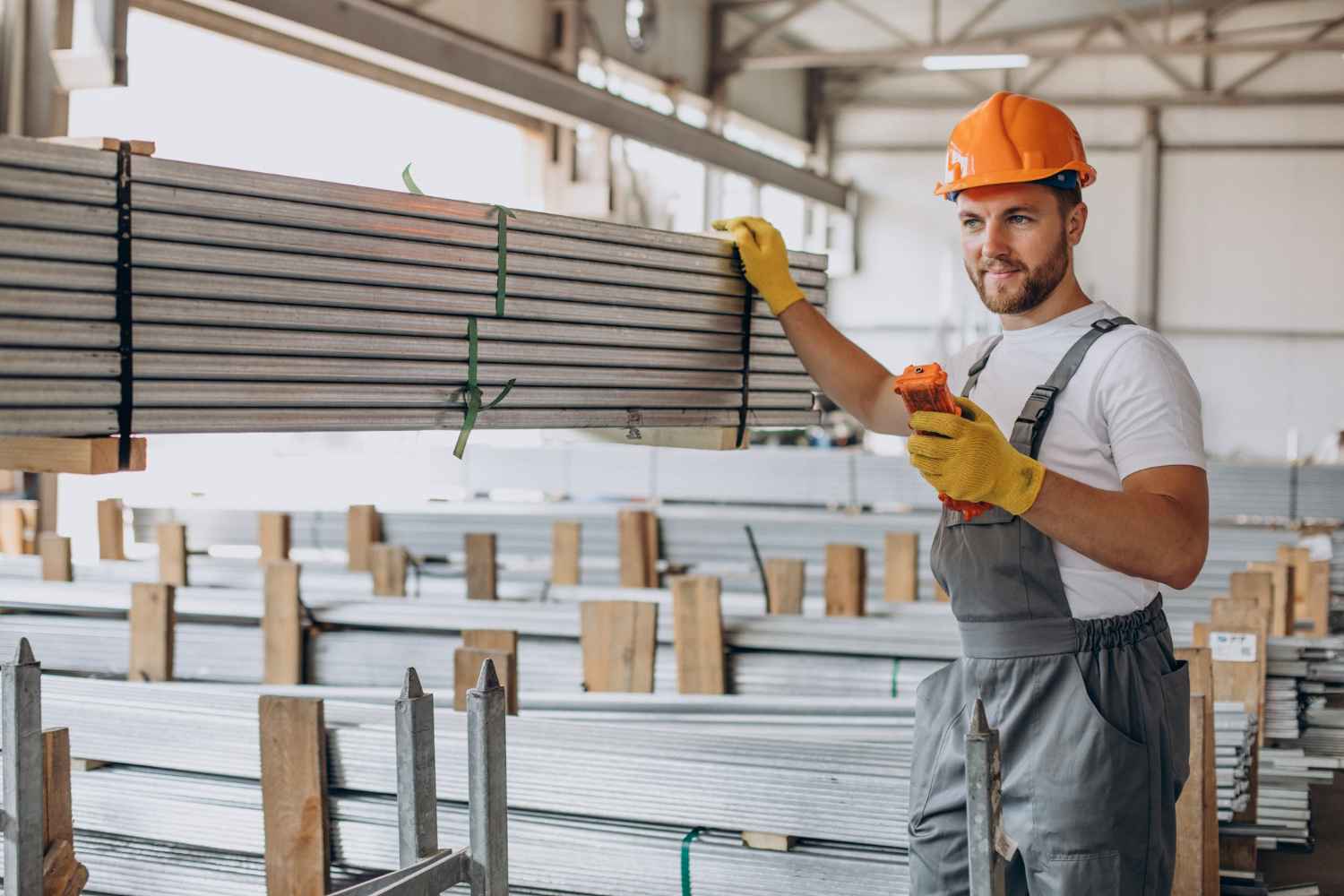
If you work in civil construction, you have probably heard more about prefabricated materials on job sites from Seattle to Savannah. Prefab wall panels, modular mechanical rooms, and pre-assembled roof trusses are becoming more common as contractors look for ways to stay on schedule and protect their crews, their clients, and their businesses. For many builders and project owners, the question is no longer whether prefab is part of the future, but how to use it in a way that feels reliable and practical.
1. Prefab can bring predictable scheduling to unpredictable projects
On a traditional site in places like Houston or Chicago, a stretch of bad weather can throw off framing or concrete work for weeks. Prefabricated components are built in controlled environments, then shipped ready for installation. That can mean fewer weather delays, a smoother flow of trades, and shorter periods when sites are open and exposed. When timelines are clearer, it becomes easier to coordinate subcontractors, manage traffic control, and keep neighborhood disruptions low.
2. Factory-built components may improve quality and consistency
Even the best crews have off days, especially when they are racing storms or working through summer heat. Prefab materials are assembled indoors with repeatable processes, steady lighting, and consistent supervision. Wall panels can be checked for straightness, insulation can be verified, and connections can be inspected before leaving the plant. On site, that often translates to fewer surprises during inspections and less rework when schedules are already tight.
3. Safer job sites can support long term business health
Civil projects near highways, airports, or dense downtown blocks are complicated enough without extra congestion. When more work is completed off site, there is less material to store, fewer loose components, and often smaller crews needed for installation. That can reduce trip hazards and heavy lifting exposure. A tidier site can also make it easier to manage visitors and local officials who may stop by to check on progress.
4. Cost control is easier when waste and delays are reduced
In American construction, small overruns can quickly stack up across multiple projects. Prefabricated systems are typically planned in detail before fabrication begins, which helps cut down on ordering extra lumber, rebar, or finishes just in case. Less material waste means fewer haul offs and cleaner sites. When crews spend more time installing and less time adjusting or fixing, it supports healthier project budgets and more accurate bids for future work.
5. Collaboration with designers and suppliers strengthens projects
For prefab to work well, project teams often start talking sooner. Engineers, architects, and contractors in cities from Denver to Atlanta may coordinate connection points, lifting paths, and delivery schedules at earlier stages of design. This kind of early collaboration can surface potential conflicts ahead of time. It also gives owners a clearer picture of how the project will come together, which can build confidence from groundbreaking through final walk through.
As more builders explore prefabricated construction materials, the focus is shifting from trend to thoughtful planning. When teams understand how prefab affects scheduling, safety, and coordination, they can make choices that fit each job, each community, and each long term plan with care.