
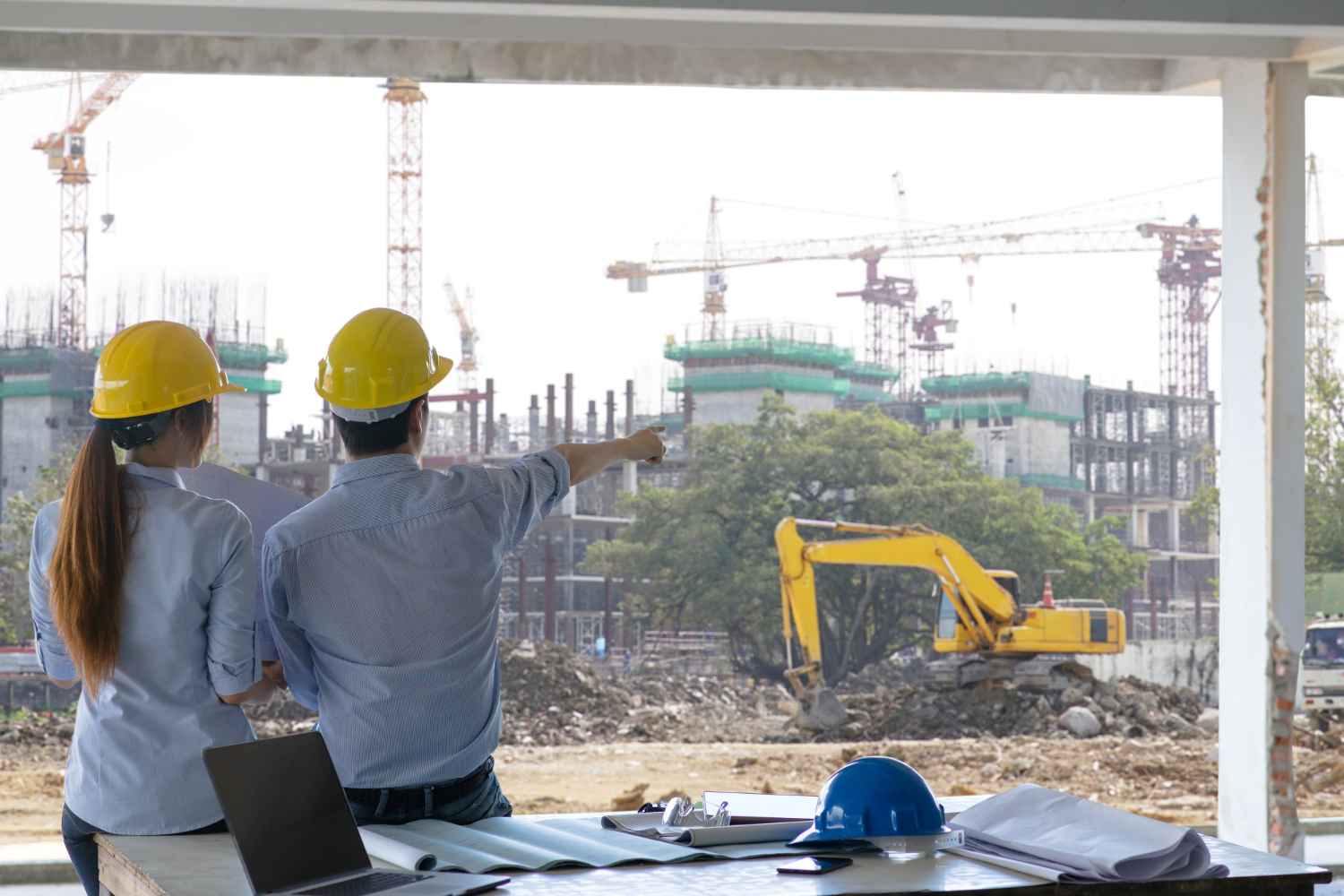
Every successful job site you see started long before the first scoop of dirt was moved. Careful pre‑construction planning turns a good idea into a project that is realistic, coordinated, and ready to handle surprises. For civil work in the United States, that planning links budgets, schedules, and decisions in a way that protects your investment and keeps everyone on the same page.
1. Start with clear goals and a budget that fits your vision
The most important step happens before plans are drawn or equipment rolls in. A civil contractor sits down with you to talk about how the project should function in real life, not just on paper. Are you improving access to a business park, expanding a municipal roadway, or upgrading site utilities for future growth This is where you match your goals to a budget that makes sense for your community or company. Instead of guessing, you review early cost ranges for grading, utilities, pavements, drainage, and traffic control. This early honesty helps avoid frustration later and leads to smarter choices about scope and priorities.
2. Build a schedule that respects seasons, permits, and daily life
In the U.S. a project schedule is shaped by much more than start and finish dates. Weather patterns, school calendars, local events, and permit timelines all affect when work can happen. A thoughtful contractor helps you map the job around these realities so you can reduce disruption to neighbors and businesses. For example, major lane closures might be planned for off‑peak hours or school breaks. Utility shutdowns can be timed with business owners. By talking through these details in pre‑construction, you create a schedule that people can live with and crews can actually meet.
3. Use pre‑construction to uncover risks before they become problems
Every site holds surprises, whether it is poor soils, aging utilities, or tight access. In pre‑construction planning your contractor studies records, walks the site, and talks with local agencies to flag these risks early. That can lead to testing the soil, adjusting a storm line, or splitting work into phases to maintain access. None of this is about fear. It is about steady, practical planning so fewer issues catch you off guard. When a challenge does appear in the field the team already has a shared plan for how to respond and keep the project moving.
4. Turn complex choices into simple, informed decisions
Budgets, schedules, and design options can feel overwhelming. A good civil contractor translates the technical details into plain language so decision makers can weigh cost, time, and impact side by side. Maybe a certain pavement section costs more up front but shortens construction and reduces future repairs. Maybe adjusting a drainage layout saves time on permits. In pre‑construction you explore these tradeoffs with clear comparisons. That way city leaders, facility managers, and owners can choose paths that match their priorities without feeling rushed.
5. Build a team mindset before the first crew arrives
Pre‑construction is also where trust takes shape. Owners, designers, and contractors get to know how each other communicates and solves problems. Ground rules for updates, meetings, and field decisions are set before a busy job site adds pressure. This team mindset is especially important on civil work that touches public roads or utilities where many voices are involved. When everyone understands the plan and their role it is easier to stay calm, adapt when needed, and keep the project aligned with community needs.
As you look at your next project it helps to remember that the title idea is real. Budgets, schedules, and decisions made in pre‑construction quietly shape everything that follows. Taking time to plan now is not about slowing progress. It is about giving the work a steady foundation so the finished result fits your goals and serves people well over the long run.