
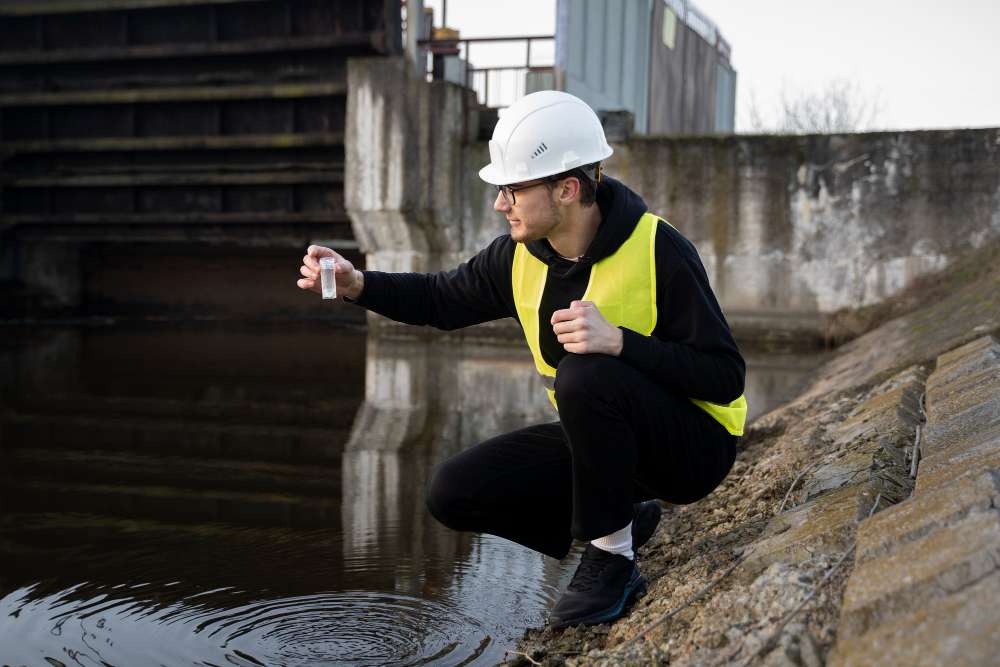
Water is the lifeblood of our planet, sustaining ecosystems, nourishing communities, and driving economic activities across the United States. The responsible management of water resources is paramount to ensuring a sustainable future for our country. While various stakeholders play crucial roles in water management, civil contractors stand at the forefront of safeguarding this invaluable resource. In this blog, we will explore the indispensable role that civil contractors play in water management, the challenges they face, and the innovative solutions they employ to protect and optimize our water resources.
The Essential Role of Civil Contractors
Civil contractors are the unsung heroes of water management in the United States. They are responsible for constructing, maintaining, and upgrading vital infrastructure that ensures the reliable supply of clean water and the proper disposal of wastewater. Let's delve into the critical aspects of their role:
1. Infrastructure Development: Civil contractors construct water treatment plants, reservoirs, dams, and pipelines. These projects are essential for ensuring a consistent and safe water supply to communities nationwide.
2. Wastewater Management: They design and build wastewater treatment facilities, sewer systems, and stormwater management systems, preventing pollution and safeguarding water quality.
3. Flood Control: Civil contractors construct levees, flood walls, and drainage systems to mitigate the impact of floods, protecting both urban and rural areas from devastating water damage.
4. Erosion Control: They implement erosion control measures in sensitive areas, preventing sedimentation in water bodies and preserving aquatic ecosystems.
5. Water Conservation: Civil contractors develop innovative solutions like rainwater harvesting systems and water recycling facilities, contributing to sustainable water usage.
Challenges Faced by Civil Contractors in Water Management
Civil contractors encounter several challenges in their mission to safeguard water resources. These challenges include:
1. Aging Infrastructure: Much of the existing water infrastructure in the United States is aging and needs repair or replacement. This puts additional strain on civil contractors to address the critical issue of infrastructure resilience.
2. Environmental Regulations: Meeting stringent environmental regulations while maintaining and upgrading water infrastructure can be complex and costly.
3. Climate Change: The increasing frequency and intensity of extreme weather events linked to climate change pose a significant challenge to flood control and water management efforts.
4. Budget Constraints: Municipal budgets often limit the ability to invest in much-needed water infrastructure upgrades and expansion.
Innovative Solutions and Best Practices
Despite these challenges, civil contractors are at the forefront of adopting innovative solutions and best practices to safeguard water resources effectively. Some examples include:
1. Green Infrastructure: Incorporating green infrastructure elements such as permeable pavements, green roofs, and urban forests in construction projects helps manage stormwater and reduce pollution.
2. Digital Technologies: Advanced technology, including Geographic Information Systems (GIS) and remote monitoring, improves water infrastructure management, optimizing maintenance and reducing water loss.
3. Sustainable Construction Materials: Adopting sustainable and environmentally friendly construction materials reduces the environmental impact of infrastructure projects.
4. Collaborative Partnerships: Civil contractors often work closely with municipalities, environmental organizations, and communities to ensure water management solutions align with local needs and priorities.
Civil contractors play a pivotal role in safeguarding water resources. Their work is vital to ensuring the availability of clean water, protecting against floods, and managing wastewater responsibly. As responsible citizens, we must recognize the importance of their work and support efforts to modernize and strengthen our nation's water infrastructure. By doing so, we can secure a sustainable future for generations, ensuring that clean and abundant water remains a cornerstone of American life.