As cities grow, more land is covered by roads, parking lots, rooftops and other hard surfaces that prevent rainwater from soaking naturally into the ground. This can lead to flooding, erosion, overloaded drainage systems and water quality problems. Effective stormwater management helps urban developments handle rainfall more safely while protecting infrastructure, properties and surrounding communities. For civil contractors and developers, it should be considered from the earliest stages of site planning.
1. It helps reduce urban flooding
When heavy rain falls on paved surfaces, water can accumulate quickly because it has fewer places to drain naturally. Well-designed stormwater systems help collect, direct and control this runoff. Proper drainage channels, detention areas and underground systems can reduce the risk of water pooling around roads, buildings and public spaces.
2. It protects roads and foundations
Standing water and uncontrolled runoff can gradually damage infrastructure. Water may weaken pavement, erode soil around foundations or create pressure against retaining structures. Managing runoff correctly helps direct water away from vulnerable areas and can reduce long-term repair needs.
3. It helps control soil erosion
Construction sites and newly developed areas often contain exposed soil that can wash away during heavy rainfall. Erosion may damage slopes, clog drainage systems and carry sediment into nearby waterways. Measures such as proper grading, erosion-control barriers and stabilized drainage paths can help keep soil in place during and after construction.
4. It supports cleaner waterways
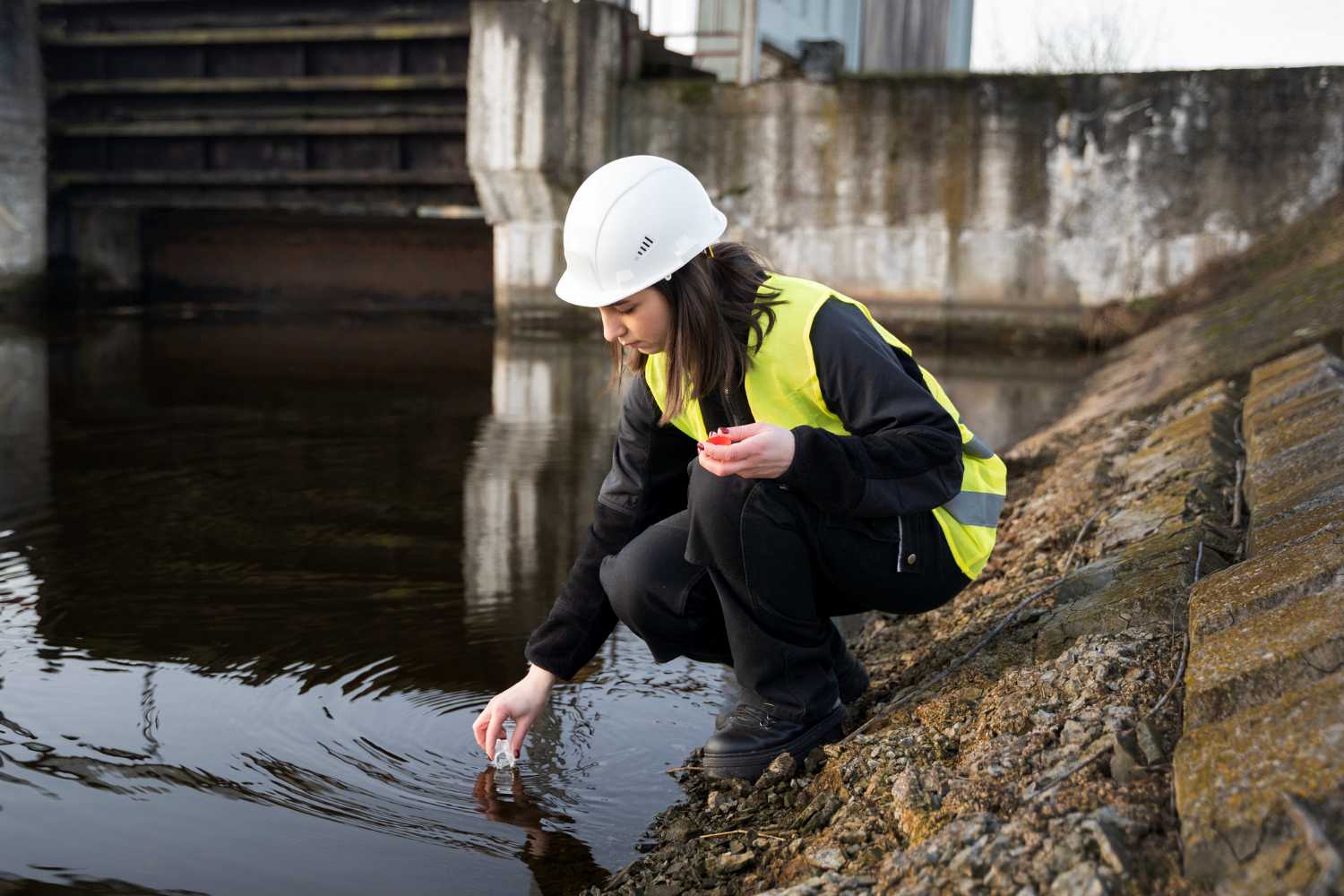
Stormwater can pick up oil, sediment, trash and other pollutants as it travels across streets and developed land. Without proper management, these contaminants may eventually reach rivers, lakes or other water bodies. Features such as vegetated areas, retention systems and filtration methods can help slow runoff and remove some pollutants before water leaves the site.
5. It improves site usability
Poor drainage can make parking areas, sidewalks, landscaped zones and building entrances difficult to use after heavy rainfall. Waterlogged ground can also damage landscaping and create maintenance problems. Planning drainage alongside roads, buildings and open spaces helps the entire development function more effectively during wet conditions.
6. It supports regulatory compliance
Urban development projects often need to meet local stormwater, drainage and environmental requirements. These rules may influence site grading, discharge points, retention capacity and erosion-control measures. Addressing them during the design stage can reduce the risk of redesigns, approval delays or construction changes later.
7. It prepares developments for future rainfall
Urban infrastructure must continue performing long after construction is complete. Considering expected rainfall, drainage capacity and future development around the site can help create systems that remain effective as conditions change. Maintenance access should also be planned so drains, channels and retention areas can be inspected and cleared when needed.
Stormwater management is not simply about moving rainwater away from a property. It is about controlling where that water goes, how quickly it moves and what it carries with it. Thoughtful planning can reduce flooding, protect infrastructure, limit erosion and create more resilient urban developments that perform better during both everyday rainfall and severe storms.